Atmanirbhar Bharat and Make in India drive infantry modernisation
Published on 22/10/2025 10:04 PM
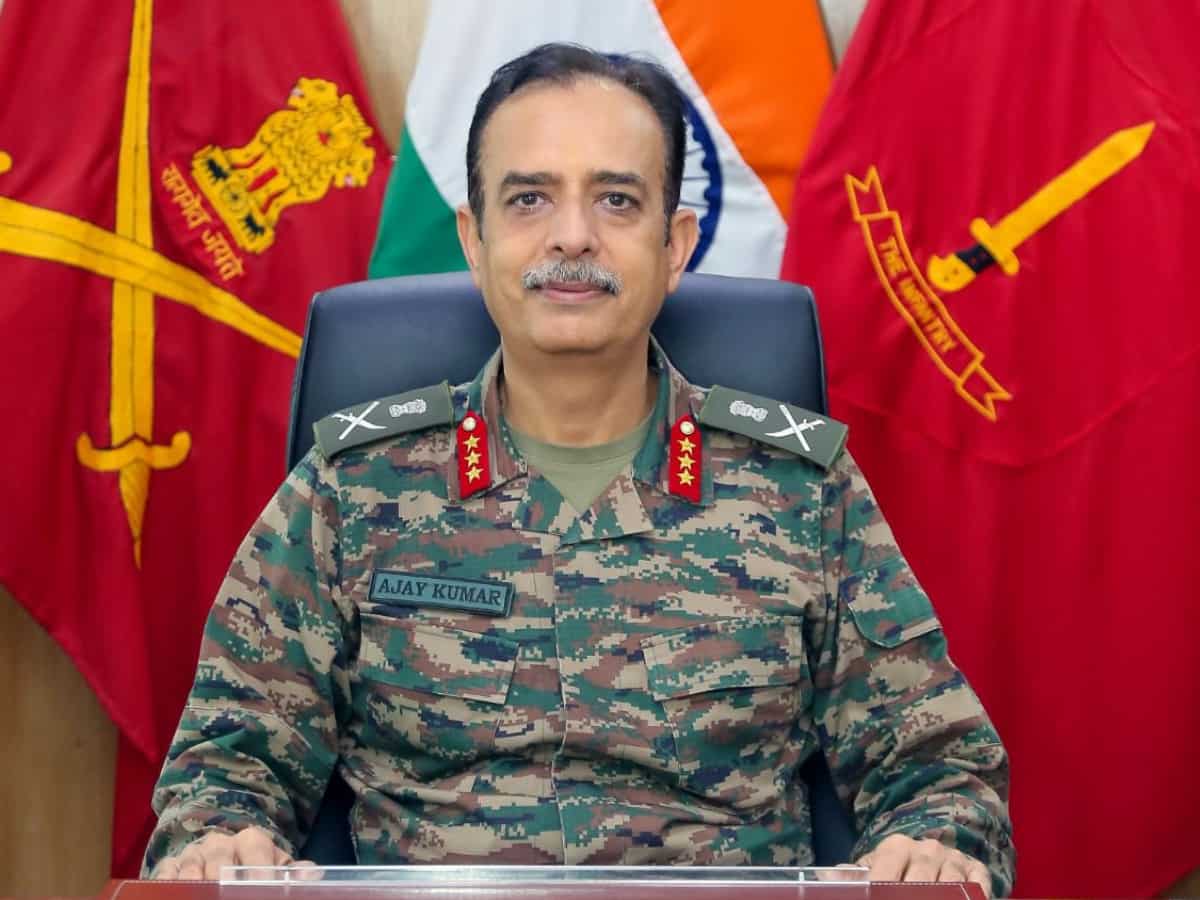
The Indian Infantry is going through a major transformation, driven by the Make in India and Atmanirbhar Bharat initiatives. On the 79th Shaurya Diwas, the Director General of Infantry unveiled a plan to build a self-reliant, technology-focused, and future-ready force. This plan emphasises using Indian-made technology, from advanced weapons and vehicles to modern communication and surveillance systems, showing India’s goal to rely less on imports and strengthen its strategic independence.
The modernisation of the infantry is not only related to new equipment but also to a very important change in which Indian defence firms and indigenous technology are leading the way to the soldier of the future. The Infantry roadmap is directed towards the following seven areas: Lethality, Mobility, Communication, Battlefield Awareness, Survivability, Training, and Organisational Restructuring.
Lethality: The army is getting new weapons, with assault rifles and light machine guns upgraded from 5.56mm to the more powerful 7.62mm calibre. Sniper rifles in .338 calibre now offer longer range and greater accuracy. India is also boosting its combat strength with modern anti-tank systems, both heavy and light rocket launchers, and drones capable of precise strikes.
Mobility: The army is becoming more dynamic and faster with the introduction of Quick Reaction Force Vehicles (QRFVs), All Terrain Vehicles (ATVs), Light Specialist Vehicles (LSVs), Specialist Mobility Vehicles (SMVs), and Articulated All Terrain Vehicles (AATVs). Most of these vehicles are manufactured in India, thus indicating how the Make in India campaign is interlinked with the military's modernisation process.
Communication: UHF/VHF radios which were being used are now replaced with Software Defined Radios (SDRs) developed in India, which not only provide secure, encrypted, and interoperable communication but also allow real-time coordination among the units.
Battlefield Transparency: Commanders equipped with advanced surveillance drones, upgraded battlefield radars, and handheld thermal imaging sights experience real-time situational awareness that greatly enhances operational decision-making.
Survivability: Indian defence manufacturers have collaborated in the production of ballistic helmets, bulletproof jackets, tactical shields, and upgraded personal gear, which are now part of soldiers' everyday equipment.
Training: The whole process of training has been radically changed by technological advancement, with instant battle engagement simulators, small arms simulators, and portable containerized firing ranges putting soldiers through unrealistic war situations while making it possible to do without the import of systems.
Organisational restructuring: Special forces like Bhairav Battalions for quick actions and Ashni FPV Drone Platoons let the operators use the "Eagle on the Arm" method to operate the drones together with the regular soldiers using the old-fashioned guns. Technological skill and human abilities combined to illustrate India's changeover to next-generation warfare.
The head of the department stressed that the partnership with the local defense industries, DPSUs, and universities was the main factor behind this change. He further explained that the government is focusing on the innovation of the indigenous design, R&D partnerships, and the continued development of the defense ecosystem of India to reduce the dependency on imports.
As India passes through the Decade of Transformation, the Infantry’s modernisation is a living proof of the triumph of Atmanirbhar Bharat and Make in India creating a force that is more intelligent, stronger, and self-sufficient with pride.