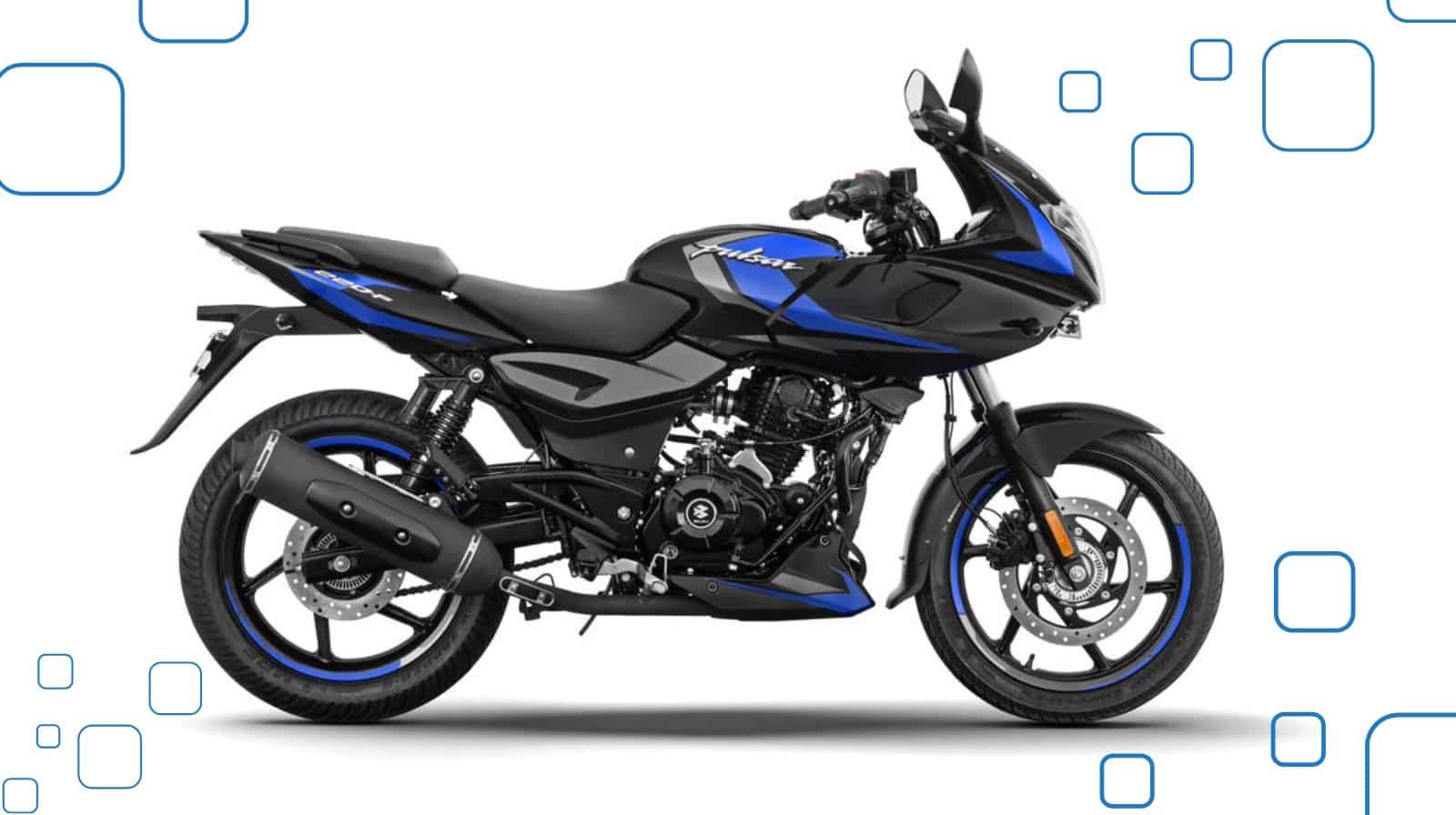
Bajaj launches 2026 Pulsar 220F in India with new colours, LED indicators at Rs 1.28 lakh
Published on 18/12/2025 03:41 PM
Bajaj Pulsar 220F Launched: Bajaj Auto on Tuesday, December 18, launched the 2026 version of the Pulsar 220F in India. According to the company, it is an updated version of one of its longest-running and most recognised performance motorcycles, featuring new styling and new features. The motorcycle has been priced at Rs 1.28 lakh (ex-showroom) and will be available at all Bajaj Auto dealerships across the country.
The latest iteration of the Pulsar 220F comes with refreshed graphics and four new colour options — Black Cherry Red, Black Ink Blue, Black Copper Beige and Green Light Copper. As part of the update, Bajaj has also equipped the motorcycle with LED turn indicators.
In terms of features, the Pulsar 220F continues to offer a digital instrument console with Bluetooth connectivity and Ride Connect app support, including turn-by-turn navigation. Braking duties are handled by front and rear disc brakes paired with single-channel ABS, while the motorcycle rides on five-spoke alloy wheels.
Powering the 2026 Pulsar 220F is the same 220cc Twin Spark DTS-i, fuel-injected, oil-cooled single-cylinder engine. The motor produces 20.9 PS of power at 8,500 rpm.
On a separate note, Bajaj Auto recently announced that it has received a tax demand of Rs 34.74 crore from the Uttarakhand tax authorities. The demand relates to alleged misclassification of spare parts supplied by the company. In addition to the tax demand, a penalty of Rs 3.47 crore has also been imposed, according to a regulatory report filed by the automobile manufacturer, IANS reported.
The order issued by the Deputy Commissioner of Rudrapur said that since Bajaj Auto is an automobile manufacturing company, the spare parts supplied by the company should be classified as auto parts. Officials said these parts are specially designed and are used only in vehicle manufacturing, hence they fall under a different tax category. However, Bajaj Auto rejected the tax demand, saying it has been correctly classifying its spare parts for over thirty years. The company emphasised that its classification followed the general rules of interpretation.