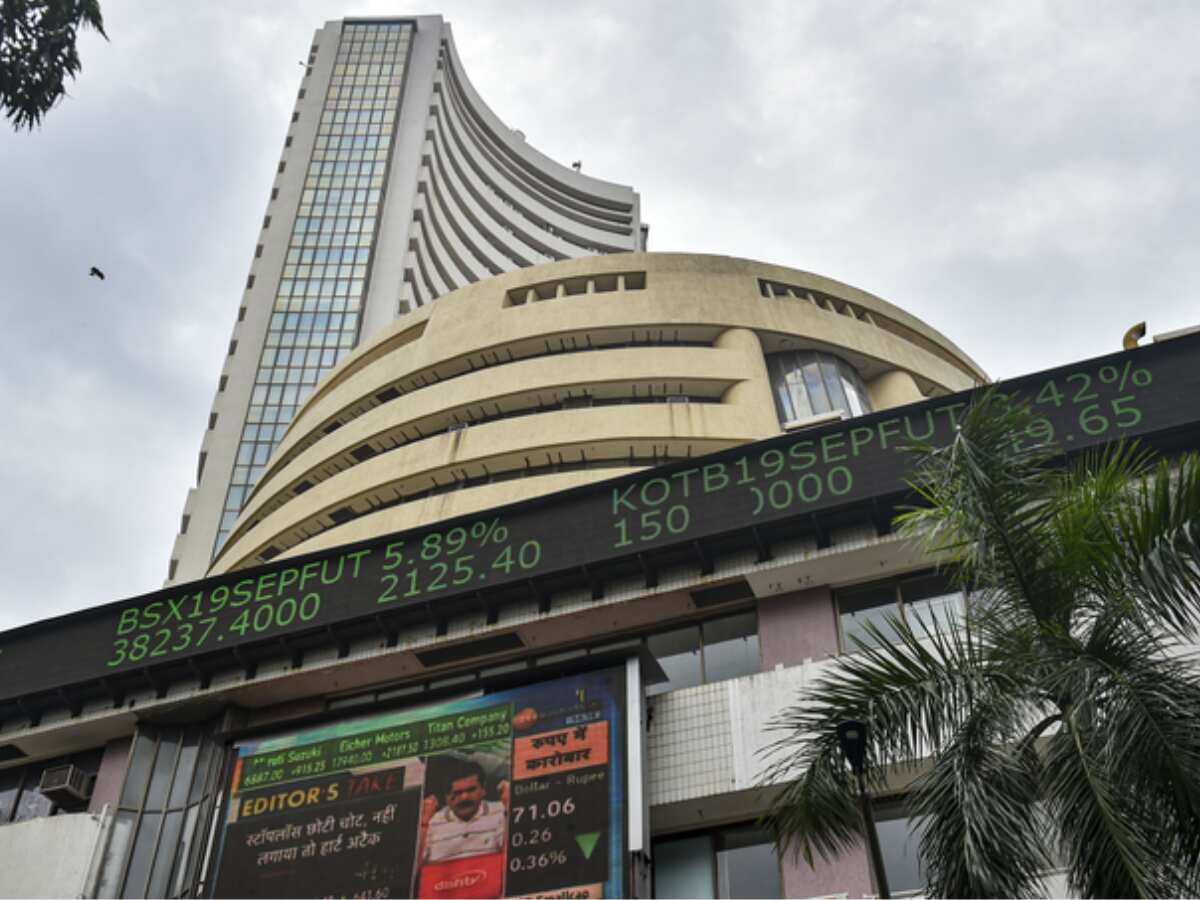
BSE shares tumble 10% after SEBI crackdown on Jane Street; is more pain ahead for the exchange?
Published on 08/07/2025 01:22 PM
Shares of BSE Ltd have fallen nearly 10 per cent over the past week after markets regulator SEBI cracked down on US-based trading firm Jane Street, triggering concerns about potential volume loss in India’s fast-growing derivatives segment.
The SEBI order, which barred Jane Street from accessing Indian markets and froze funds worth around Rs 4,840 crore, has rattled investors. The benchmark index operator and stock exchange has seen selling pressure amid fears of reduced liquidity and lower expiry-day turnover in derivatives.
BSE derives over 50 per cent of its revenue from derivatives trading, a segment that has witnessed explosive growth in the last year. According to brokerage firm Jefferies, Jane Street’s contribution to this is estimated at around 1 per cent of BSE's overall revenue. Despite the relatively minor financial impact, investor sentiment has taken a hit.
BSE shares declined 6.5 per cent immediately after the SEBI order and are now down 10 per cent from recent highs.
Peer brokerage stocks such as Nuvama Wealth, CDSL, and Angel One also fell between 2 to 11 per cent, reflecting wider concerns in the broking and market infrastructure segment.
“Volumes may take a short-term hit, but other proprietary desks are likely to step in,” Jefferies said in a client note.
SEBI accused Jane Street and its Indian affiliate of engaging in trades that lacked economic rationale — a breach of fair trade principles. The regulator also indicated stricter oversight of algorithmic and high-frequency trading strategies, particularly in the highly active weekly options market.
Insiders suggest that Jane Street was a significant player in Indian derivatives, especially on weekly expiry days. Zerodha CEO Nithin Kamath stated that the firm might have been contributing up to 50 per cent of expiry-day options volume, especially in index options. With the firm now out, exchanges like BSE may face lower trading volumes, wider bid-ask spreads, and a temporary dip in liquidity.
While the short-term impact on derivatives turnover may persist for a few weeks, most analysts believe the long-term growth story remains intact. The financial hit is minimal, as Jane Street’s revenue contribution is less than 1 per cent. BSE’s core business fundamentals are stable, and other domestic proprietary trading desks are expected to gradually fill the liquidity gap.
The coming weekly expiries will be crucial in gauging whether market volumes bounce back or continue to soften. For now, the correction in BSE’s stock appears more sentiment-driven than reflective of any material earnings downgrade.
Despite the selloff, analysts maintain a stable outlook for BSE. The exchange earns nearly 58 per cent of its revenue from derivatives, which remains a key driver. While Jane Street’s exit may lead to short-term disruption, the broader earnings trajectory remains resilient. Jefferies and other brokerages expect volumes to stabilise over time as new liquidity providers enter the market.
However, concerns could escalate if SEBI broadens its investigation or if more foreign trading firms reduce exposure to Indian derivatives. Until then, the 10 per cent decline in BSE stock is viewed as a knee-jerk reaction rather than a structural breakdown.
Get Latest Business News, Stock Market Updates and Videos; Check your tax outgo through Income Tax Calculator and save money through our Personal Finance coverage. Check Business Breaking News Live on Zee Business Twitter and Facebook. Subscribe on YouTube.
LATEST NEWSBy accepting cookies, you agree to the storing of cookies on your device to enhance site navigation, analyze site usage, and assist in our marketing efforts.