Can AI actually diagnose illnesses better than doctors? Here's what Microsoft says
Published on 01/07/2025 12:58 PM
Can artificial intelligence outperform doctors at diagnosing complex health conditions? Microsoft seems to think so. The tech giant has unveiled a new AI system that it says can tackle some of medicine’s most intellectually demanding diagnostic challenges—with greater accuracy and lower costs than human physicians.
Led by Mustafa Suleyman, Microsoft’s AI division has developed a tool called MAI-DxO (Medical AI Diagnostic Orchestrator), which replicates a team of expert doctors working collaboratively. In trials, the AI system accurately diagnosed over 80 per cent of highly complex clinical cases—far surpassing the 20 per cent success rate of human doctors tested under similar conditions.
When benchmarked against real-world case stdies from the New England Journal of Medicine (NEJM), MAI-DxO demonstrated diagnostic success in up to 85 per cent of cases. These are not ordinary illnesses—these are the most diagnostically tricky and detail-heavy cases in medicine.
What’s more, Microsoft says the AI system not only reached conclusions more accurately but also did so more efficiently—cutting costs by 20 per cent through more judicious use of diagnostic tests.
Also Read:ChatGPT vs Google vs Brain: MIT study shows AI users think less, remember less
These findings were detailed in a recent Microsoft blog post titled “Introducing MAI Dx Orchestrator: Our Path to Medical Superintelligence”, where the company positioned the technology as a major step forward in clinical AI and diagnostic automation. The research, it added, is being submitted for peer review.
Unlike earlier medical AI that focused on standardised multiple-choice exam questions (like the USMLE), MAI-DxO follows a more realistic path. It mimics the sequential decision-making process of a physician: starting with a patient’s symptoms, asking the right questions, choosing specific diagnostic tests, and zeroing in on a likely diagnosis.
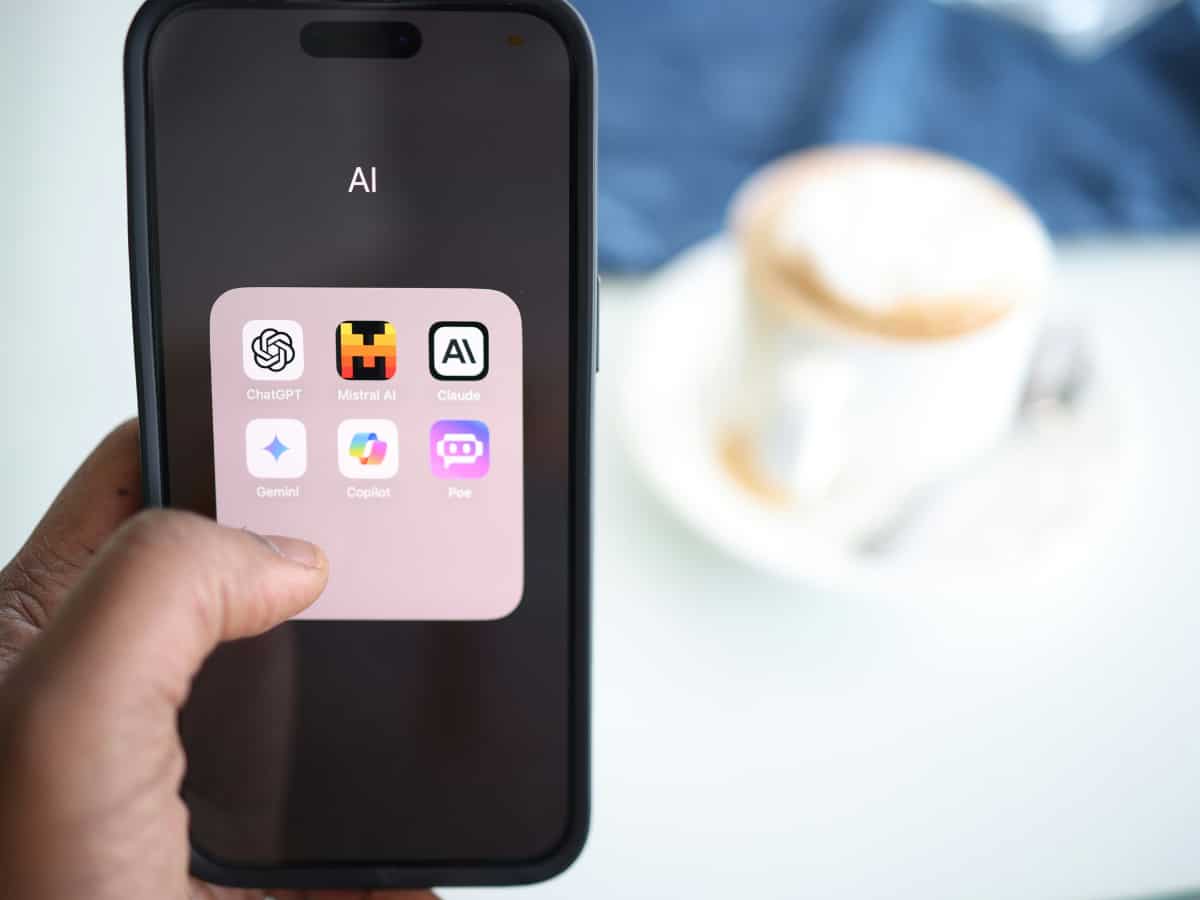
To do this, MAI-DxO taps into multiple advanced AI models—including OpenAI’s GPT, Google’s Gemini, Anthropic’s Claude, Meta’s LLaMA, and xAI’s Grok—to simulate a panel of experts deliberating in real time.
Also Read:At 16, this girl made Rs 100 crore AI firm and now working on 'ChatGPT with hands'
Microsoft stresses that AI won’t replace doctors. “Their clinical roles are much broader than simply making a diagnosis,” the company said in a blog post, noting the need for emotional intelligence, human connection, and trust—areas where machines still fall short.
The company has also launched tools like RAD-DINO to support radiologists and Dragon Copilot, a voice-based assistant for clinicians. It’s currently working with healthcare providers to test MAI-DxO in real-world clinical settings. Regulatory approval and stringent safety checks are still ahead.
While Microsoft says its aim is to “help, not replace,” the language of its announcements—calling the system a step toward medical superintelligence—suggests something bigger. The idea evokes not just Artificial General Intelligence (AGI) but a future where AI outperforms humans across the board in medical expertise.
Still, experts caution that the trials had limits: the cases involved rare diseases, and human doctors weren’t allowed access to reference tools—unlike typical practice. So, while the results are promising, real-world deployment remains a cautious journey.
Get Latest Business News, Stock Market Updates and Videos; Check your tax outgo through Income Tax Calculator and save money through our Personal Finance coverage. Check Business Breaking News Live on Zee Business Twitter and Facebook. Subscribe on YouTube.
LATEST NEWSBy accepting cookies, you agree to the storing of cookies on your device to enhance site navigation, analyze site usage, and assist in our marketing efforts.