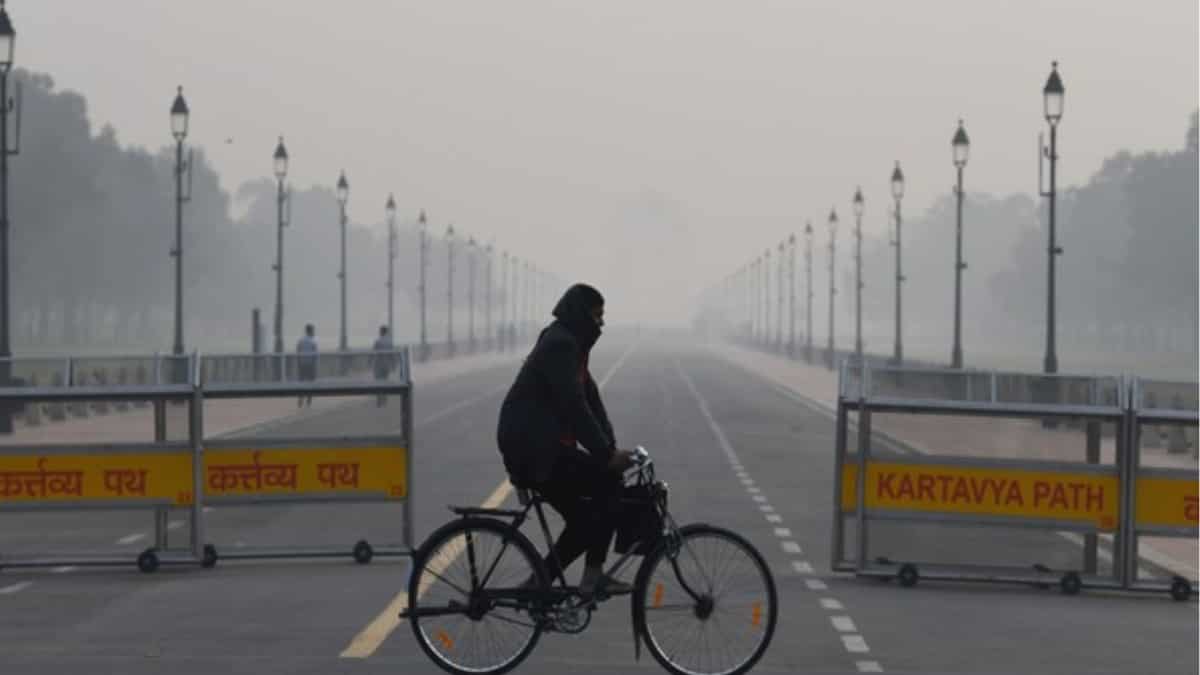
Delhi under 'severe' air pollution as GRAP Stage IV comes into force
Published on 23/12/2025 10:46 AM
Delhi-NCR is in a state of emergency due to severe air pollution, the situation is worsened by the dense fog and smog that are recently covering the area.
The Central Pollution Control Board (CPCB) reported that the Air Quality Index (AQI) of Delhi was approximately 390 on Tuesday morning, whereas in some areas the figures went beyond 400.
The relative humidity which was up to 100% decreased the clarity of the atmosphere and everyday life plus transport was affected so much that the government found it necessary to put in place the emergency pollution-control measures across the whole region.
GRAP Stage IV or "Severe Plus" rank is the peak level of the Graded Response Action Plan. It takes place during the times when the surrounding air is dangerously polluted and is a health hazard.
The objective of this stage is to quickly cut down on emissions and avoid a public health crisis in Delhi-NCR.
In order to achieve the aimed reduction in vehicular pollution, entry to Delhi is denied for non-essential trucks and some light commercial vehicles.
Older diesel and petrol vehicles are limited in their usage, and vehicles without valid pollution control certificates are not allowed to refuel. The authorities may also factor in the odd-even scheme to help further control traffic emissions.
GRAP IV has put a ban on the entire construction and demolition activities along with all other industries that are highly polluting, like brick kilns, stone crushers, hot mix plants, and mining.
Besides, industries using coal or other unapproved fuels, with the exception of essential services like power plants, are also closed down.
Schools may adopt a mix of online and offline learning for some grades, and offices may encourage reduced in-person attendance and work-from-home arrangements.
The operation of diesel generators and open burning of waste is prohibited. The public is cautioned to restrict outdoor activities and to use health protection measures.