Explained: Gold, silver, utensils, broom... Inside Indian consumer's 'Dhanteras' shopping list
Published on 18/10/2025 12:01 AM
Dhanteras 2025: The festival of lights is approaching, and Dhanteras is the event that marks the beginning of the festive shopping season in India. The streets are illuminated, gold shops are crowded with customers, and even the most common items like brooms and utensils are in high demand. However, the reason behind this annual shopping spree is the centuries-old tradition, cultural symbolism, and a unique mix of spirituality and consumerism.
Dhanteras or Dhantrayodashi is celebrated on the thirteenth day of Krishna Paksha in the lunar month of Kartik—two days before Diwali. The day is dedicated to Lord Dhanvantari, the god of medicine and the representation of health and happiness. According to Hindu lore, Dhanvantari was born out of the ocean during the mythical Samudra Manthan (the ocean's churning) with a pitcher of nectar, signifying life and prosperity.
In the past, Dhanteras was regarded as the most fortunate day to invest in metals, especially gold, silver, or brass, as these were believed to not only attract but also retain luck and wealth. Meanwhile, lighting lamps and praying for good health and fortune were common practices in some places.
1) Gold and silver:
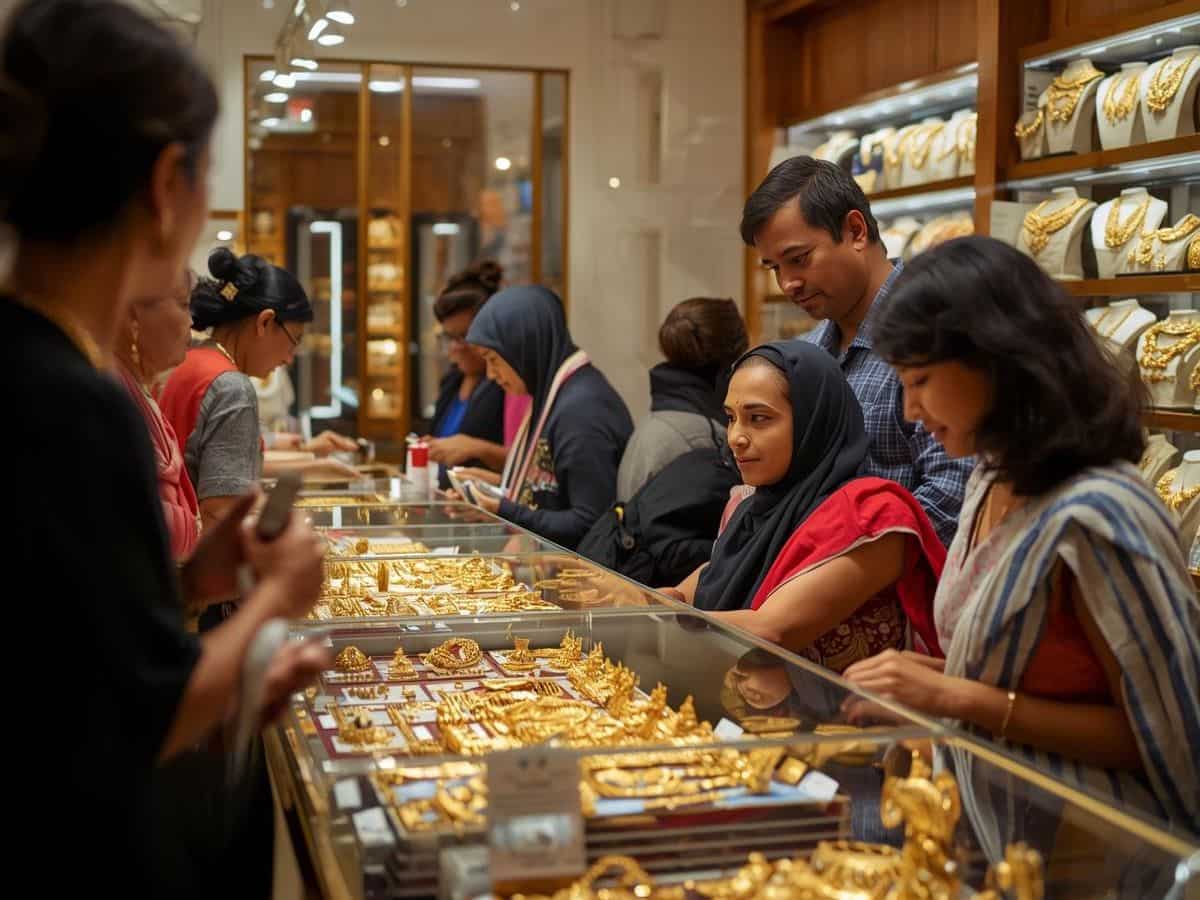
Dhanteras has transformed from a religious ceremony into one of the most significant shopping events of the year. It is still gold and silver that play the leading roles, as the jewellers in India are giving all kinds of promotions and are inviting customers to own special pieces of jewellery just for the occasion.
2) Utensils:
Brass, steel, and silver utensils are another important purchase. Not only do families use them, but they also consider them a sign of welcoming abundance in their homes. Surprisingly, the modern Dhanteras shopping list now includes electronics, motor vehicles, and even real estate bookings—all viewed as tokens of prosperity.
3) Broom:
Next is possibly the most surprising item, the broom. In some regions of India, especially in the north, purchasing a broom (jhaadu) on Dhanteras is thought to be lucky. It signifies the removal of poverty and negativity from the house, which is in perfect harmony with Diwali's pointer of renewal and positivity.
4) Idols of Lakshmi and Ganesha:
The purchase of idols of Goddess Lakshmi and Lord Ganesha is among the most propitious to be made on Dhanteras. These idols play a significant role in the Dhanteras and Diwali rituals, as worshipping the deities is believed to invite wealth, peace, and success not only in the home but everywhere.
Such is the faith that many families, discarding old idols, buy new ones every year to place on their home altar during the Diwali puja that signifies the renewing of luck and the inviting of positive energy for the year ahead.
5) Diyas and lamps:
Diyas (earthen lamps) and decorative lamps are also at the top of the Dhanteras shopping list. It is believed that lighting of diyas not only drives away the darkness and negative forces but also brings the divine blessings along with the light. The markets are overstocked with traditional clay diyas, metallic lamps, and the modern LED ones in various shapes and sizes.
People purchase these lamps in huge numbers for decorating doorsteps, balconies, and puja areas. Dedicating lights on Dhanteras and during the entire Diwali period is a display of power, shifting from darkness to light and misfortune to fortune.
Dhanteras is the signal for retailers that the period of the greatest retail profit in India has arrived, which lasts till the New Year after Diwali. For buyers, it's a phase when they don't mind spending because it feels like a holy act rather than a mere indulgence. Be it a gold coin, a new smartphone, or just a broom, each and every purchase conveys one message—bringing in wealth, health, and happiness for the coming year.
Currently working as a trainee Sub-Editor at Zee Business, Shristi Rani is passionate about storytelling and delivering content that engages diverse audiences across digita