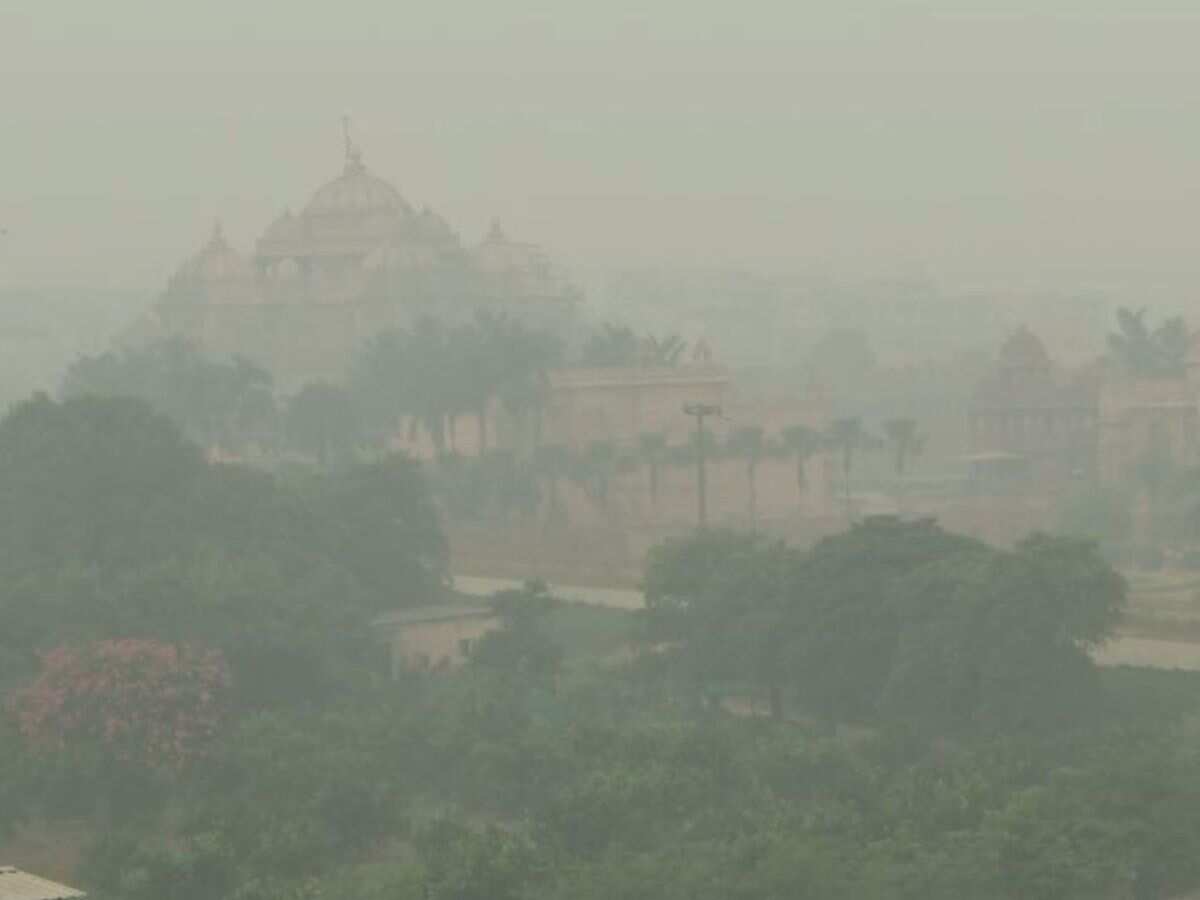
Explained: What is AQI and what does it tell about the air you breathe?
Published on 20/10/2025 08:26 PM
AQI, or Air Quality Index, indicates the quality of air in a particular area. It is maintained by the Ministry of Environment, Forests and Climate Change (MoEF) and monitored by the Central Pollution Control Board (CPCB).
AQI was launched by MoEF in April 2015 under Swachh Bharat. It helps the citizens to judge the air quality withing his vicinity. There are six AQI categories, namely Good, Satisfactory, Moderately polluted, poor, very poor and severe.
The AQI consider eight pollutants that are: PM10, PM2.5, NO2, SO2, CO, O3, NH3, and Pb. You can check AQI by going to the official site of official site of CPCB.
0-50: This range is considered as good air quality. The air is clean and safe to breathe for everyone. Outdoor activities can be done freely without any health concerns. Minimal or no impact on health could be seen.
51–100: This range falls under satisfactory category that means the air is mostly okay to breathe for everyone.
You can go about your daily activities without worry. However, people who are more sensitive or suffering from breathing problem like those with asthma, allergies, or other lung problems, might feel a little discomfort or irritation when they spend a long time outside.
101–200: That means AQI is moderate and the air quality is acceptable for most people, but it is starting to affect those with existing health issues. People suffering from lung problems, asthma, or heart patients may also experience breathing difficulties, coughing, or mild irritation if they spend most of their time outdoors.
Even healthy individuals might notice slight discomfort after long outdoor activities. It’s a good idea to be cautious and avoid intense outdoor exercise if your body is sensitive.
201–300: This signals poor AQI, an alarming situation and this range of air quality is unhealthy for most of the people. A person can suffer from breathing discomfort, coughing, or irritation can occur even in healthy individuals if they stay outdoors for a long time. People with lung, heart, or asthma conditions should stay cautious, if facing an AQI under this range.
It is advisable to reduce outdoor activities and take precautions like wearing masks. Continuous exposure can affect overall health, so stay indoors as much as possible is recommended in this situation.
301–400: This AQI range comes under very poor category. Between this range the air quality is very unhealthy. Spending long periods outdoors can lead to breathing problems or worsen existing lung and heart conditions. Even healthy people may start feeling shortness of breath, coughing, or irritation. It’s best to stay indoors as much as possible and avoid any outdoor exercise. People with respiratory or heart issues should take extra precautions and consider wearing masks if going outside is necessary.
401–500: Air Quality Index suggests that the air quality in this range is considered as severe. The air is extremely unhealthy. Even healthy people can experience breathing problems, irritation, or discomfort.
Those who are suffering from heart and lung problems, may face serious health issues. This category of AQI can make you tired easily, even light physical activity outdoors can be risky. If your city falls under this AQI, then it is advised to stay indoors, and take all necessary precautions like using air purifiers and avoid stepping outside.
Akanksha