GST on renewable energy devices rationalised to 5%, likely to accelerate India’s clean energy transition
Published on 17/09/2025 04:47 PM
The Goods and Services Tax (GST) on renewable energy devices has been rationalised from 12 per cent to 5 per cent. According to official records, this rationalisation will likely bring down the cost of clean energy projects, making electricity more affordable and directly benefiting households, farmers, industries, and developers.
The renewable energy sector received a major impetus under the latest GST reforms approved by the GST Council in its 56th meeting. The revised GST rates will come into effect from 22nd September 2025.
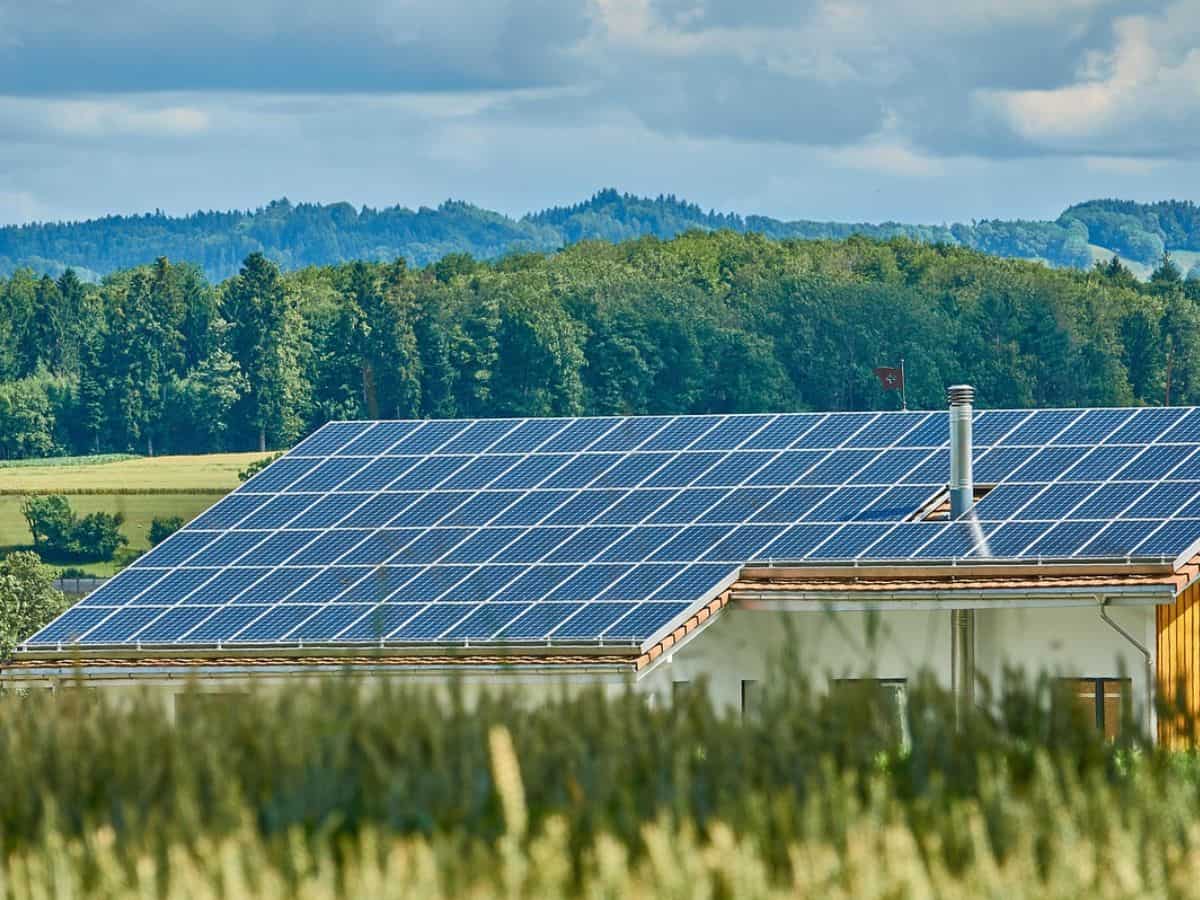
The GST reform will likely make rooftop solar systems more affordable for households. A typical 3 kW rooftop system will now be cheaper by about Rs 9,000–10,500, making it easier for lakhs of families to adopt solar energy and accelerating large-scale uptake under the PM Surya Ghar: Muft Bijli Yojana.
Add Zee Business as a Preferred Source
Additionally, the reduction in GST is expected to lower levelised renewable tariffs, easing the financial burden of electricity procurement for distribution companies (DISCOMs). This could translate into nationwide annual savings of Rs 2,000–3,000 crore in power procurement costs. End consumers will likely benefit from greater access to affordable clean electricity, reinforcing the long-term sustainability of India’s power sector.
: Income Tax Return: Ready to pay penalty? Conditions that can cost you Rs 5,000
Farmers under the PM-KUSUM scheme are also likely to benefit significantly. A 5 HP solar pump, costing about Rs 2.5 lakh, will now be cheaper by nearly Rs 17,500. At the scale of 10 lakh solar pumps, farmers will collectively save Rs 1,750 crore, making irrigation more affordable and sustainable.
Rural and underserved regions will also gain from cheaper decentralised solutions such as mini-grids, livelihood applications, and solar water pumps.
Lower GST will enhance the competitiveness of Indian manufactured renewable energy equipment as it will likely reduce the module and component costs by 3–4 per cent. This will boost the domestic manufacturing and self-reliance, supporting the Make in India and Aatmanirbhar Bharat initiatives.
With India targeting 100 GW of solar manufacturing capacity by 2030, the reform will encourage fresh investment into domestic manufacturing hubs. Considering that every GW of manufacturing creates about 5,000 jobs, the GST reform to Power 5–7 Lakh Green Jobs in the Renewable Energy Sector over the next decade, strengthening India’s clean energy industrial ecosystem.
Get Latest Business News, Stock Market Updates and Videos; Check your tax outgo through Income Tax Calculator and save money through our Personal Finance coverage. Check Business Breaking News Live on Zee Business Twitter and Facebook. Subscribe on YouTube.
Currently working as a trainee Sub-Editor at Zee Business, Shristi Rani is passionate about storytelling and delivering content that engages diverse audiences across digital platforms.
...LATEST NEWSBy accepting cookies, you agree to the storing of cookies on your device to enhance site navigation, analyze site usage, and assist in our marketing efforts.