Post-Indus Treaty Era Begins: How India Plans To Use Kishanganga, Ratle And Pakal Dul As Geostrategic Tools
Published on 26/04/2025 01:10 PM
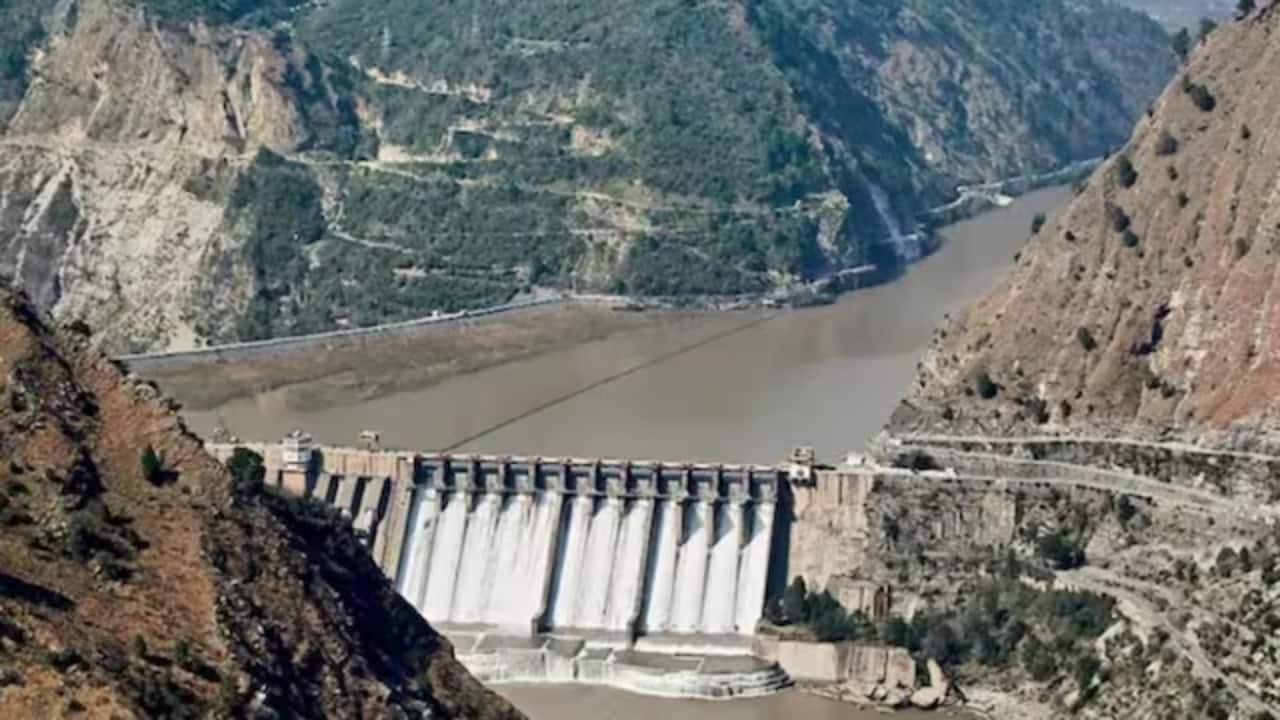
Putting the Indus Waters Treaty in cold storage gives India the opportunity to fast-track and leverage its hydroelectric projects like Kishanganga, Ratle and Pakal Dul in Jammu and Kashmir, and not use them just as energy initiatives but also as levers of strategic pressure.
Pakistan is clearly rattled, and worried. The Pakistan government has termed the move an ‘act of war’, while PPP leader Bilawal Bhutto has threatened that “either our water or their (India’s) blood will flow in the Sindhu (Indus)". Top government sources say the psychological impact of India’s move is hence already showing, with Pakistan political class under pressure from their population on the impending implication of water flow of western rivers being regulated by India.
For a start, India now need not bother about Pakistan’s objections on interactional forums to the Kishanganga, Ratle and Pakal Dul hydroelectric projects. The combined hydrological effect of these projects gives India a strong geopolitical signaling and strategic calculus to corner Pakistan. The Pakistan-sponsored terror strike on civilians in Pahalgam has changed the rules of the game with India making Pakistan civilians pay for the misadventures of their Army.
India had already diverted water from the Jhelum via a 23 km tunnel through the Kishanganga Project that was inaugurated by PM Narendra Modi in 2018 in Bandipora. On the same day, Modi laid the foundation stone of the Pakal Dul Power Project, the largest hydro power project in J&K with 1000 MW capacity, and J&K’s first storage project. The Pakul Dul at 167 m of height gives India the element of actual control of water, not just usage. It will be ready by mid-2026.
The other big bother for Pakistan is the 850 MW Ratle Hydro Electric Project in Jammu & Kashmir, especially since last year when a major milestone has been achieved here with the diversion of Chenab river through diversion tunnels at Drabshalla in Kishtwar district. The river diversion has enabled isolation of dam area at river bed for starting the critical activity of excavation and construction of the dam.India can now proceed with the dam despite Pakistan’s design objections related to the spillway height and drawdown levels of the project. Modi government approved the Ratle project in 2021 at Rs 5,282 crore.
The last time that India and Pakistan teams had met for annual Indus Water Treaty talks was last year in June when a Pakistani delegation travelled to India and visited Kishtwar to see various dam sites. Pakistan continued to object to the Kishanganga, Ratle and Pakal Dul hydroelectric plants by India, saying that it violates the provisions of the treaty. But the Indus Waters Treaty, signed between then Prime Minister Jawaharlal Nehru and former Pakistan President Ayub Khan in 1960 with the World Bank as a signatory to the pact, is now history.
Discover the latest Business News, Budget 2025 News, Sensex, and Nifty updates. Obtain Personal Finance insights, tax queries, and expert opinions on Moneycontrol or download the Moneycontrol App to stay updated!
${res.must_watch_article[0].headline}
Sensex Today RIL Q4 Results 2025 Jammu Kashmir News Live CSK vs SRH Live Score Chris Wood HDFC Securities Asaduddin Owaisi Manipur HS Result KTET Result 2025 IPL Points Table 2025
Business Markets Stocks India News City News Economy Mutual Funds Personal Finance IPO News Startups
Home Currencies Commodities Pre-Market IPO Global Market Bonds
Home Loans up to 50 Lakhs Credit Cards Lifetime Free Finance TrackerNew Fixed Deposits Fixed Deposit Comparison Fixed Income
Home MC 30 Top Ranked Funds ETFs Mutual Fund Screener
Income Tax Calculator EMI Calculator Retirement Planning Gratuity Calculator
Stock Markets
News18 Firstpost CNBC TV18 News18 Hindi Cricketnext Overdrive Topper Learning
About Us Contact Us Advisory Alert Advertise with Us SupportDisclaimer Privacy Policy Cookie Policy Terms & Conditions Financial Terms (Glossary) Sitemap Investors
You are already a Moneycontrol Pro user.