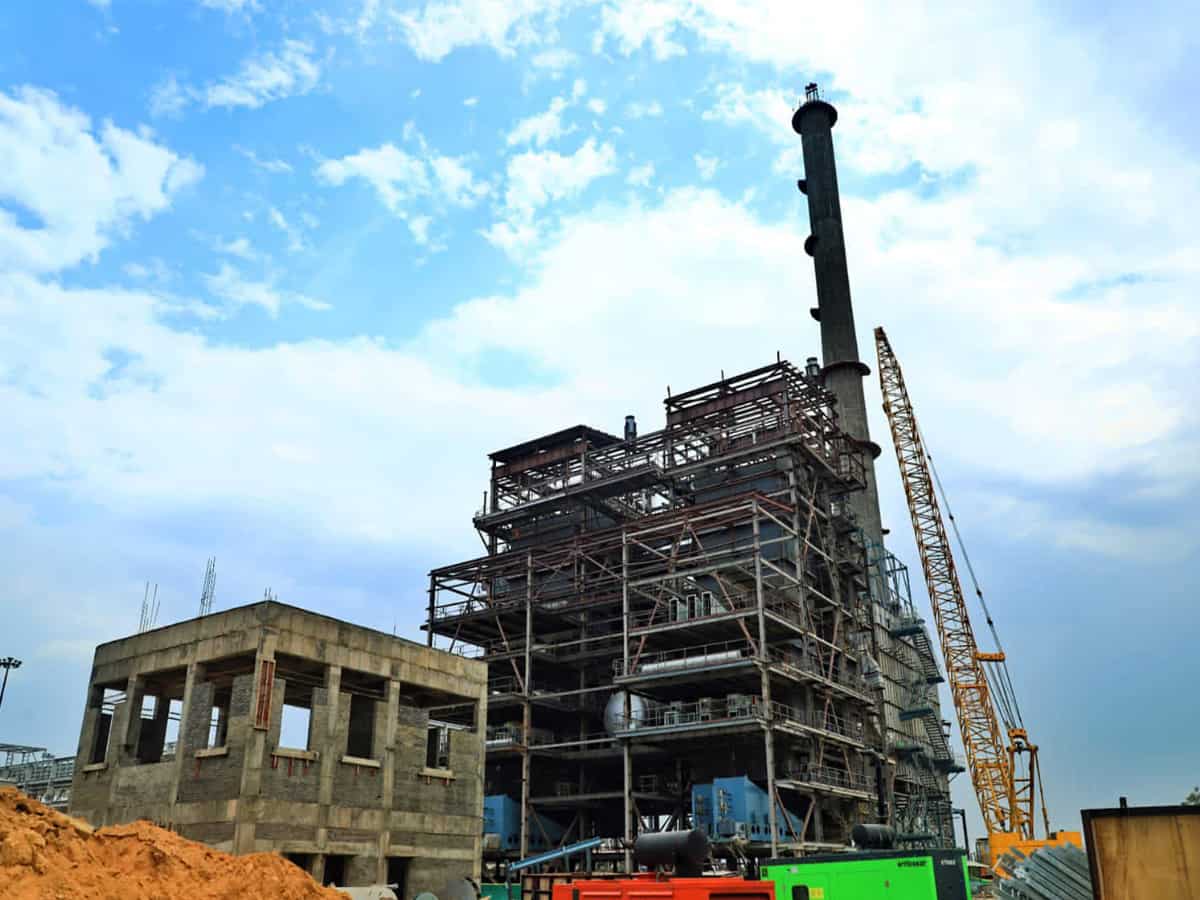
India opens door for 2G ethanol exports as blending targets near 20%
Published on 24/09/2025 07:46 PM
The Directorate General of Foreign Trade (DGFT) on Wednesday updated India’s export policy to allow shipments of second-generation (2G) ethanol, which is expected to boost the country’s green energy ambitions at a time when domestic production is running ahead of blending targets, IANS reported.
2G ethanol, or ethyl alcohol, is derived from non-food sources such as bagasse, wood waste, agricultural residues, grasses, algae, and other renewable materials. Considered more environment-friendly, it emits less carbon dioxide anHere’s a polished nd avoids competing with food crops for land.
The DGFT notification, effective immediately, requires exporters to secure both an Export Authorisation and a feedstock certificate from the relevant authority before shipping 2G ethanol. The policy applies to ethanol under ITC(HS) Code 22072000, covering ethyl alcohol and other denatured spirits.
Add Zee Business as a Preferred Source
The update comes as India’s ethanol blending rate with petrol hit 19.93 per cent in July 2025, taking the average for the ongoing ethanol supply year (2024–25) to 19.05 per cent. Public sector oil companies--Indian Oil, Bharat Petroleum, and Hindustan Petroleum--are leading the blending drive under the government’s Ethanol Blended Petrol (EBP) Programme.
Also Read:India should gear up for ethanol exports: Nitin Gadkari
India had initially set a target of 20 per cent ethanol blending by 2030, but the timeline has been advanced to 2025–26 due to faster-than-expected progress. To meet this goal, the government has expanded feedstock options, promoted maize clusters near ethanol plants, and allocated 52 lakh metric tonnes of surplus Food Corporation of India (FCI) rice each for ESY 2024–25 and ESY 2025–26. It has also permitted the diversion of 40 LMT of sugar for ethanol production in ESY 2024–25.
Earlier in the day, Road Transport Minister Nitin Gadkari underscored that India is now in a position to export ethanol. “It is the time for India’s futuristic development. We need to reduce our imports and increase our exports. As far as the surplus of ethanol, it is now the requirement of the country that we need to export ethanol,” he said while addressing the 2nd International Conference and Exhibition on Bioenergy and Technologies in New Delhi, according to an ANI report.
India’s ethanol production capacity stood at 1,822 crore litres annually by June 30, 2025, driven by both sugarcane-based molasses and grain feedstocks such as maize and rice. Gadkari highlighted the transformative impact on rural incomes, noting that “Farmers now earn Rs 45,000 crore more annually because of ethanol policies. Diversifying agriculture towards energy is the need of the hour.”
He also pointed to Brazil’s pioneering role in ethanol and India’s own advances in using rice straw for ethanol and bio-CNG to tackle stubble burning and pollution. “With 500 plants under development, rice straw will no longer be waste but a source of energy,” he added.
Get Latest Business News, Stock Market Updates and Videos; Check your tax outgo through Income Tax Calculator and save money through our Personal Finance coverage. Check Business Breaking News Live on Zee Business Twitter and Facebook. Subscribe on YouTube.
LATEST NEWSBy accepting cookies, you agree to the storing of cookies on your device to enhance site navigation, analyze site usage, and assist in our marketing efforts.