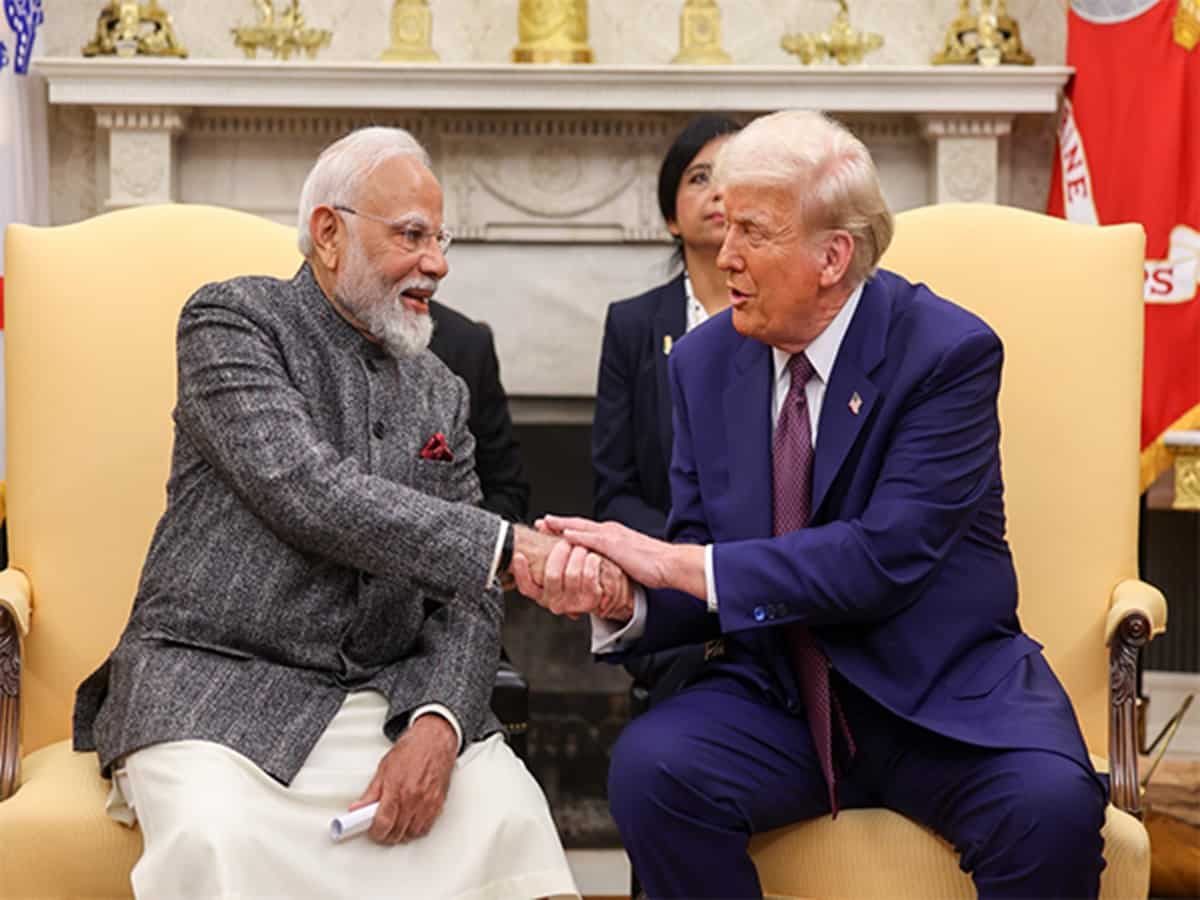
India–US trade deal: First tranche of Bilateral Trade Agreement near closure, says Commerce Secretary
Published on 17/11/2025 05:20 PM
India and the United States are close to concluding the first tranche of their proposed Bilateral Trade Agreement (BTA), with Commerce Secretary Rajesh Agrawal confirming that discussions on reciprocal tariffs are “near closure”. The update came during the release of India’s October trade data on Monday.
Agrawal said the two countries have been holding regular virtual rounds on the BTA, which has two components - a stage that will require longer negotiations, and an initial tranche centred on easing tariff-related frictions. He noted that while no formal deadlines can be set, the first segment is progressing swiftly.
The BTA, formally proposed in February after directions from leaders of both nations, aims to lift bilateral trade from USD 191 billion to USD 500 billion by 2030. Talks were first announced during Prime Minister Narendra Modi’s visit to Washington earlier this year.
The negotiations continue even as the United States has raised tariffs on Indian goods over recent months. US President Donald Trump imposed a 25 per cent tariff from August 1, followed by another 25 per cent increase days later, citing concerns about India’s continued purchase of Russian oil.
The United States has also extended reciprocal tariff measures to several countries with whom it faces trade deficits. Despite these actions, officials from both sides say the current discussions remain constructive.
Government sources noted last week that negotiations are being handled with sensitivity to India’s key sectors. They added that the final pact must remain compliant with WTO norms and may not require an additional round of talks if current progress continues.
Agrawal confirmed that a proposed India–US LPG supply arrangement is also moving forward. He stressed that the LPG discussions are separate from the BTA and are intended to support a balanced trade relationship. Officials have said earlier that both governments see energy cooperation as a pillar of economic stability.
In parallel talks, India has expressed caution over US proposals seeking wider access to agricultural and dairy markets.
Despite tariff escalations, the India–US dialogue has remained active, with both governments aligned on the need for a modern, detailed and predictable trade framework. The first tranche of the agreement, once closed, is expected to remove immediate tariff barriers and help build momentum for wider negotiations.
Ankit Kumar is a Senior Sub Editor at Zee Business. He covers international affairs, politics, climate change, business, finance and global elections. With experience acros