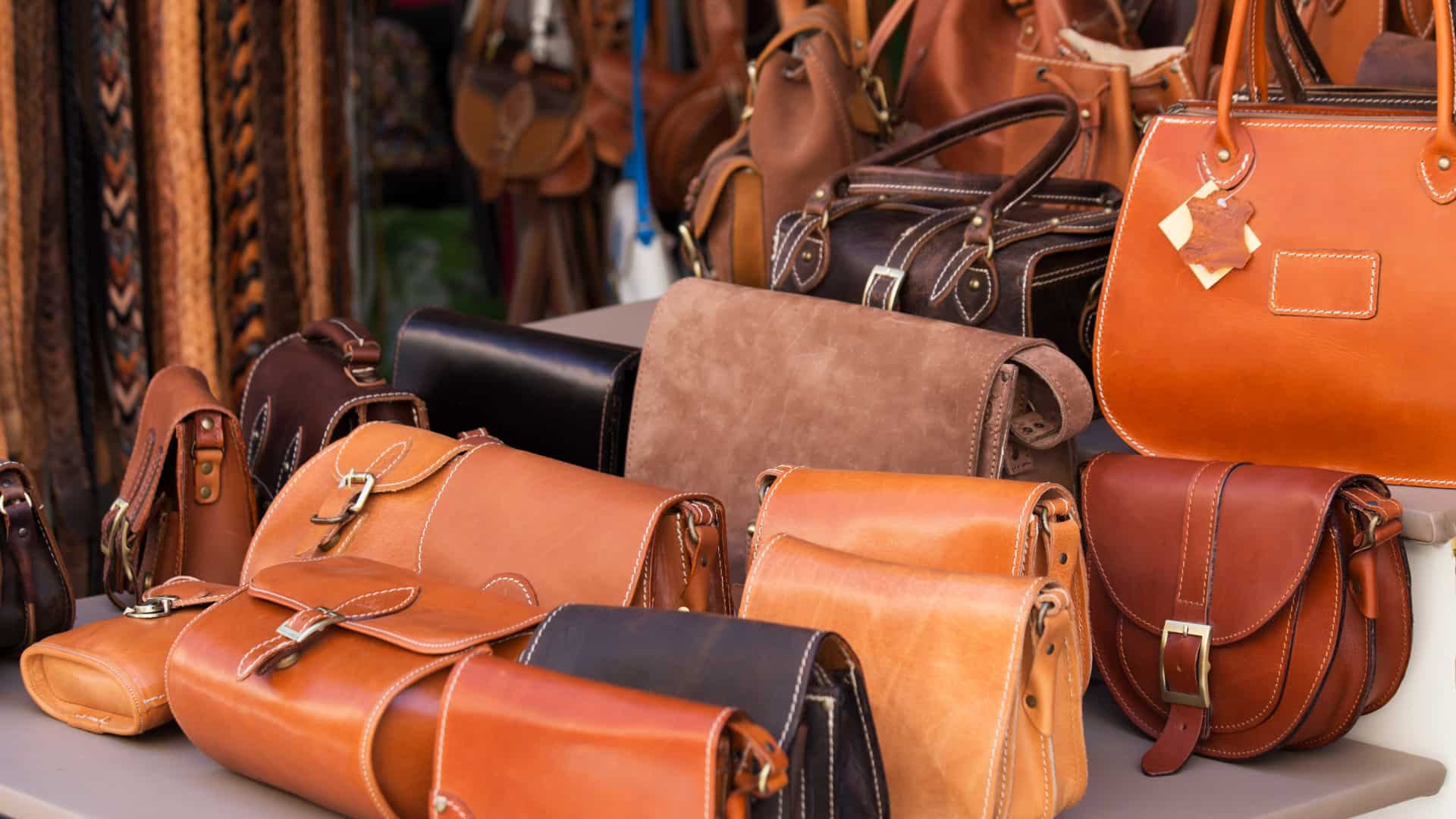
India’s leather industry faces 10–12% revenue dip after US tariffs
Published on 23/10/2025 05:27 PM
India’s leather and allied products sector is staring at a 10–12 per cent decline in revenue this fiscal after the United States imposed new tariffs, according to a CRISIL Ratings report released on Thursday.
However, experts say that the recently signed Free Trade Agreement (FTA) with the United Kingdom and the reduction in GST rates could soften the blow for exporters.The report pointed out that the drop occurs even though there is an increase in local consumption, which is being facilitated by the GST simplification and a steady economic environment.
The reduction in income tax rates, lessening inflation, and low-interest rates have all contributed to a favorable situation, still, the shock from tariffs is anticipated to have a significant negative impact on exports.
Also Read: Indian textile exporters under stress amid festive demands due to US tariffs and weak demand: Report
Operating margins could shrink by 150–200 basis points, the report warned, adding that the credit profiles of several companies may weaken. India’s leather and allied industries generated around Rs 56,000 crore in revenue in FY25, with exports contributing about 70 per cent of the total.
Still, the report highlighted some positives. A GST cut on intermediate leather goods—from 12 per cent to 5 per cent—is expected to ease working capital pressure and reduce dependence on external borrowings. The absence of large debt-funded expansion plans will also help maintain stable leverage levels, it said.
Also Read: Annual additional spending of companies to hit $1.2 trillion amid US tariffs: Report
The agency added that the ability to reroute exports to alternative destinations, including re-exports via Europe, will play a key role in how companies manage the tariff impact.
“The recently signed Free Trade Agreement (FTA) with the United Kingdom, sustained demand from markets apart from the US, and efforts to penetrate other export destinations may help contain the fall in export revenue,” the statement said. The report further noted that the GST cut on finished leather products—from 18 per cent to 12 per cent—could boost affordability and spur demand in the domestic market. Coupled with income tax reliefs, lower interest rates following the RBI’s policy cuts, and steady inflation, consumption is likely to see a healthy rise.
While falling raw and tanned leather prices may offer some temporary relief, CRISIL warned that the benefit will not be enough to offset the damage caused by US tariffs.