On World Cancer Day eve, Centre releases India’s first evidence-based lung cancer treatment guidelines
Published on 03/02/2026 11:03 PM
On the eve of World Cancer Day, Centre on Tuesday took a key step towards standardising lung cancer care in India with the release of the country’s first National Evidence-Based Guidelines for Lung Cancer Treatment and Palliation.
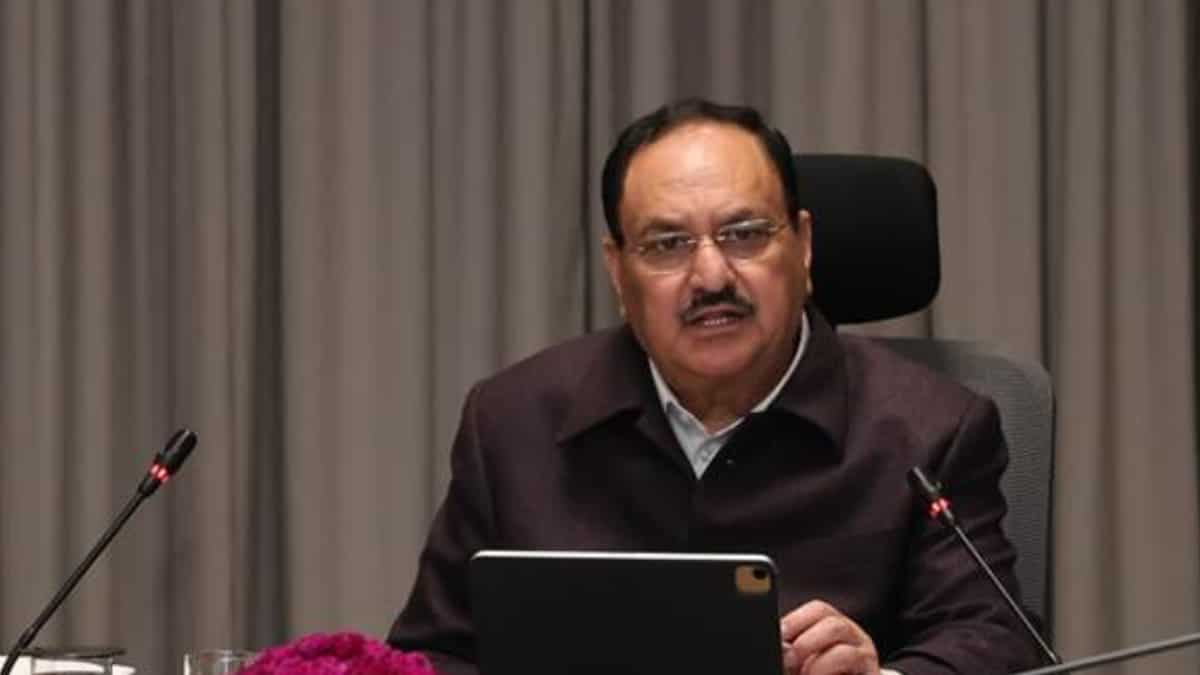
The guidelines were formally released by Union Health and Family Welfare Minister Jagat Prakash Nadda at Kartavya Bhavan in New Delhi. Developed through a rigorous, transparent and multidisciplinary process, the document lays down 15 evidence-informed recommendations tailored specifically to India’s healthcare realities. Prepared under the aegis of the Department of Health Research (DHR), the guidelines aim to promote uniform, high-quality clinical care, reduce unwarranted variations in treatment practices and strengthen clinical decision-making across public and private healthcare systems.
Describing the initiative as a milestone in India’s cancer care journey, Nadda congratulated the Department of Health Research, the Directorate General of Health Services (DGHS) and partner institutions for developing the country’s first nationally formulated evidence-based cancer guidelines. He said the guidelines would play a crucial role in standardising clinical practices, improving treatment outcomes and ensuring patient-centric care across the country. The document, he noted, reflects India’s growing leadership in adopting scientific and evidence-based approaches to healthcare policymaking.
Calling the release a strong national resolve to combat cancer through “science, compassion and leadership”, the Union minister said the guidelines would help clinicians deliver consistent, credible and high-quality care, particularly in resource-constrained settings.
Also Read: Budget 2026: FM Sitharaman slashes personal import tariffs to 10%, exempts 17 cancer drugs
Nadda emphasised the need for improved prevention and early detection methods which should include screening programs that target high-risk groups because late diagnosis serves as the main obstacle to effectively managing lung cancer. He also emphasised that medical facilities should create their own native solutions which match their local conditions instead of depending exclusively on established Western medical standards.
“India must not merely replicate international models, but lead with evidence-based frameworks suited to our disease burden and healthcare infrastructure,” he said. The Health Minister added that investing in health research and capacity building was essential to improve early diagnosis, treatment outcomes and long-term survivorship among cancer patients.
The guidelines provide evidence-based recommendations covering both treatment and palliative care for lung cancer patients. Developed using internationally accepted methodologies, including systematic evidence synthesis, they have been contextualised to India’s public and private healthcare systems.
Officials said the framework aims to strengthen early diagnosis and referral pathways, standardise treatment protocols and enhance access to palliative care services, ultimately improving patient outcomes and quality of life. The guidelines have been uploaded on the Department of Health Research website for access by clinicians and stakeholders. A plain-language summary will also be released to help patients, families and caregivers better understand treatment and care options.
Senior officials including Health Secretary Punya Salila Srivastava, DHR Secretary Dr Rajiv Bahl, DGHS Dr Sunita Sharma, Additional Secretary Anu Nagar, along with domain experts who contributed to the guidelines, were present at the launch.
Also Read: Marksans Pharma arm gets nod to market breast cancer drug in UK
The guidelines release follows multiple health-sector announcements which the Union Budget 2026-27 presents as solutions to reduce cancer patients' challenges while building up healthcare infrastructure.
The Budget proposed a full exemption of basic customs duty on 17 cancer-related drugs and medicines, while adding seven more rare diseases to the list eligible for duty-free import of drugs and special medical foods for personal use. Finance Minister Nirmala Sitharaman introduced a Rs 10,000 crore investment plan which will support biopharma sector growth during the next five years, together with manufacturing and healthcare and advanced technology operational improvements.
Other major health announcements include the setting up of three new National Institutes of Pharmaceutical Education and Research, upgrading seven existing ones, and creating a nationwide network of 1,000 accredited clinical trial sites to accelerate research and drug development.
Overall health spending saw modest growth, with the Health Ministry allocated Rs 1.05 lakh crore for FY 2026-27. Flagship scheme Ayushman Bharat PM-JAY received Rs 9,500 crore, marginally higher than last year, while Rs 100 crore was earmarked for training allied healthcare professionals. The finance minister also announced a push to expand care delivery beyond hospitals, particularly for geriatric services. Under NSQF-aligned programmes, 1.5 lakh caregivers will be trained in the coming year, combining core care skills with allied capabilities such as wellness, yoga and operating medical devices.