President’s rule revoked in Manipur, BJP to form government under Khemchand Singh: All you need to know
Published on 04/02/2026 05:38 PM
President’s Rule in Manipur was revoked with immediate effect on Wednesday, February 4, ending nearly a year of Central administration and paving the way for the return of an elected government in the violence-hit northeastern state.
“In exercise of the powers conferred by clause (2) of Article 356 of the Constitution, I hereby revoke the Proclamation issued on February 13, 2025, in relation to the State of Manipur with effect from February 4, 2026,” the notification said.
The proclamation was signed by the President on Wednesday and countersigned by Home Secretary Govind Mohan, formally ending Central rule in the state.
The revocation came a day after the BJP announced two-time MLA Yumnam Khemchand Singh as the leader of its legislature party in Manipur, effectively clearing his appointment as the next chief minister.
The decision was taken at a meeting of BJP MLAs at the party headquarters in New Delhi. Singh, 62, is expected to be sworn in later on Tuesday, marking the restoration of an elected government after months of political uncertainty.
In a move aimed at addressing Manipur’s deep ethnic divisions, the new government will include two deputy chief ministers — one from the Kuki-Zo community and another from the Naga community.
Kangpokpi MLA Nemcha Kipgen has been named as one of the deputy chief ministers, while alliance partner Naga People's Front is expected to nominate the Naga representative shortly.
The arrangement is being seen as an attempt to restore political balance in a state fractured by prolonged ethnic conflict.
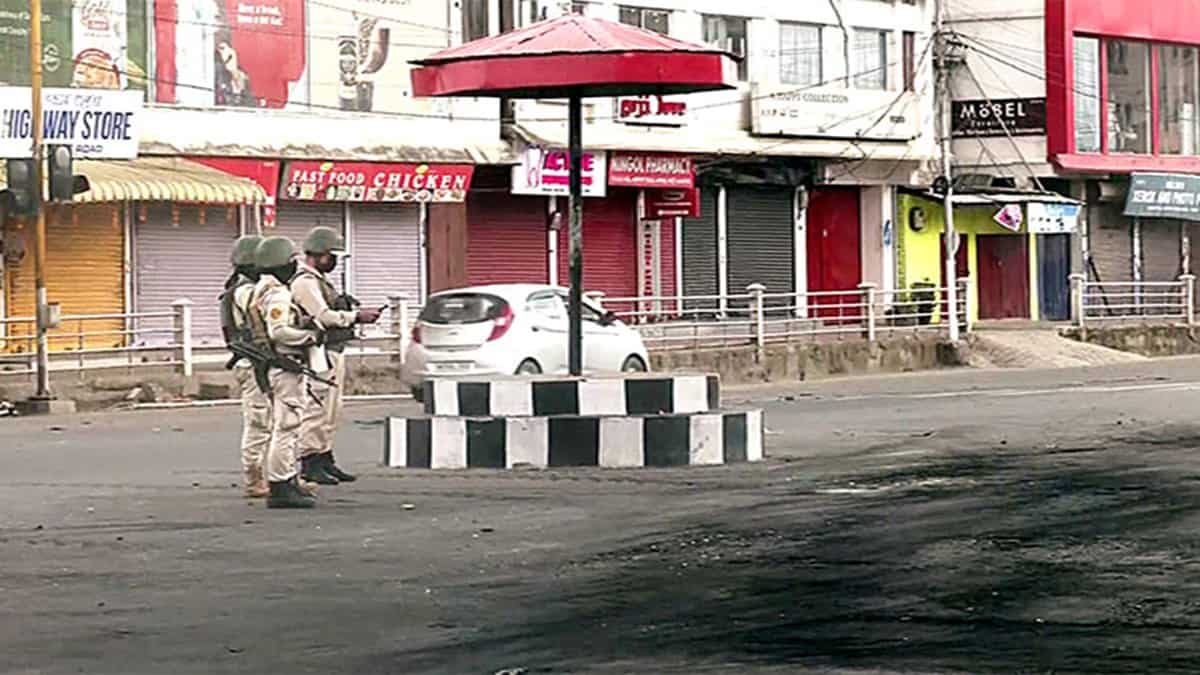
Manipur had already been on edge for months. Ethnic clashes between the Meitei community and the Kuki-Zomi tribes, which began on May 3, 2023, spiralled into prolonged unrest. The unrest, sparked by long-running disputes over land, quotas and political representation, killed hundreds of people and pushed nearly 60,000 residents out of their homes.
Since taking charge on January 3, Governor Ajay Kumar Bhalla has been reaching out to civil society groups, community leaders and political representatives. These meetings are aimed at taking stock of the situation on the ground and identifying ways to gradually restore peace and normal life in the state.
Officials say the withdrawal of President’s Rule reflects the Centre’s assessment that conditions are now conducive for an elected government to function.
With President’s Rule lifted, the incoming government faces the daunting task of restoring law and order, facilitating the return of displaced families, and rebuilding trust between warring communities.