Primary schools to remain closed in Delhi? Supreme Court declines to intervene
Published on 17/12/2025 05:58 PM
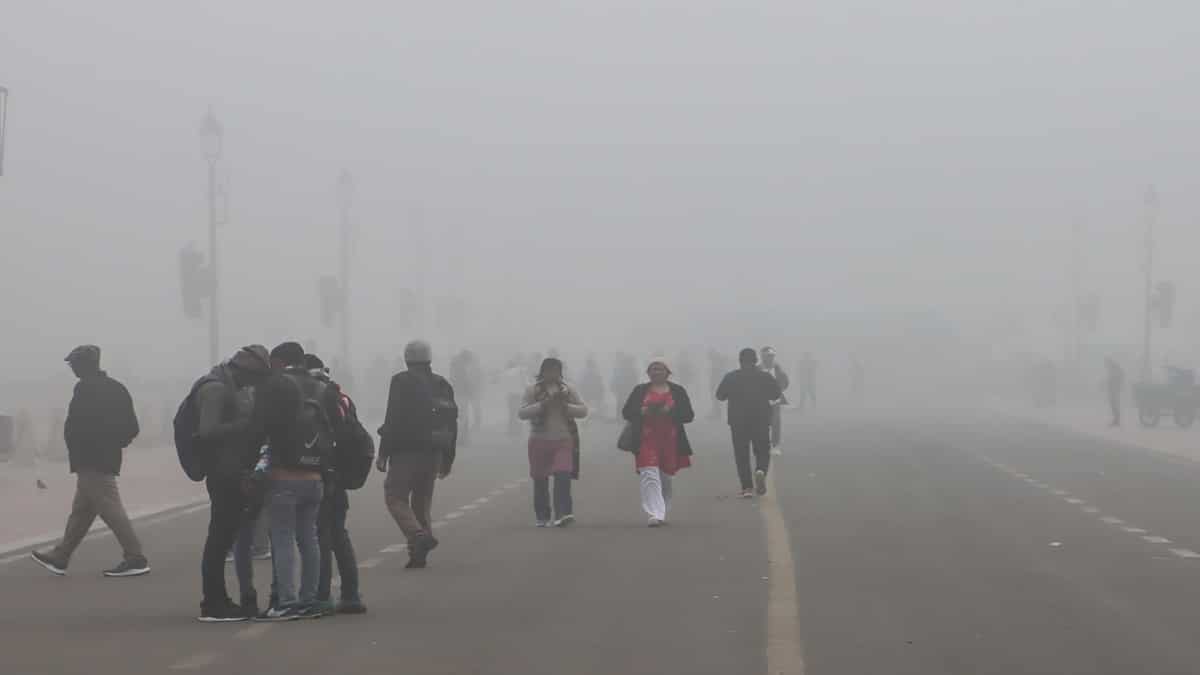
As Delhi–NCR continues to choke under severe air pollution, the Supreme Court on Wednesday declined to intervene in the Delhi government’s decision to shut schools from nursery to Class 5, describing it as a temporary and policy-driven step taken in the interest of children’s health. The court made it clear that while the move may have social consequences, the final call on school operations must rest with the government during such an environmental emergency.
A Bench led by Chief Justice of India Surya Kant said it would not interfere with the Delhi government’s order closing primary schools or allowing hybrid classes, noting that the decision was taken in response to the prevailing pollution levels.
“These are interim, policy-based measures meant to protect children and the elderly. At best, they operate like an extension of winter vacations,” the court observed, adding that it cannot act as a “super-specialist” to decide such administrative matters.
During the hearing, senior advocate Menaka Guruswamy highlighted the disproportionate impact of school closures on children from economically weaker sections. She told the court that many students depend on schools not just for education but also for essentials like mid-day meals.
Referring to lessons from the Covid-19 period, Guruswamy argued that prolonged closures had already caused learning gaps for vulnerable children. “These families do not have air purifiers at home. The air inside their houses is no better than outside,” she submitted.
Responding to the concerns, Chief Justice Kant raised a counter-question: whether sending young children out daily in toxic air — commuting to and from school — posed an even greater health risk.
He indicated that in the current circumstances, limiting exposure may outweigh other considerations, especially for younger children who are more vulnerable to respiratory illnesses.
Another petitioner, represented by senior advocate Siddharth Luthra, urged the court to direct authorities to allow hybrid learning — combining physical classes with online instruction — for students up to Class 12.
The court, however, refrained from issuing such directions, reiterating that competing demands over school closures and reopenings were best assessed by the government based on ground realities.
The Bench also reiterated its larger concern that air pollution in Delhi–NCR has become a recurring annual crisis.