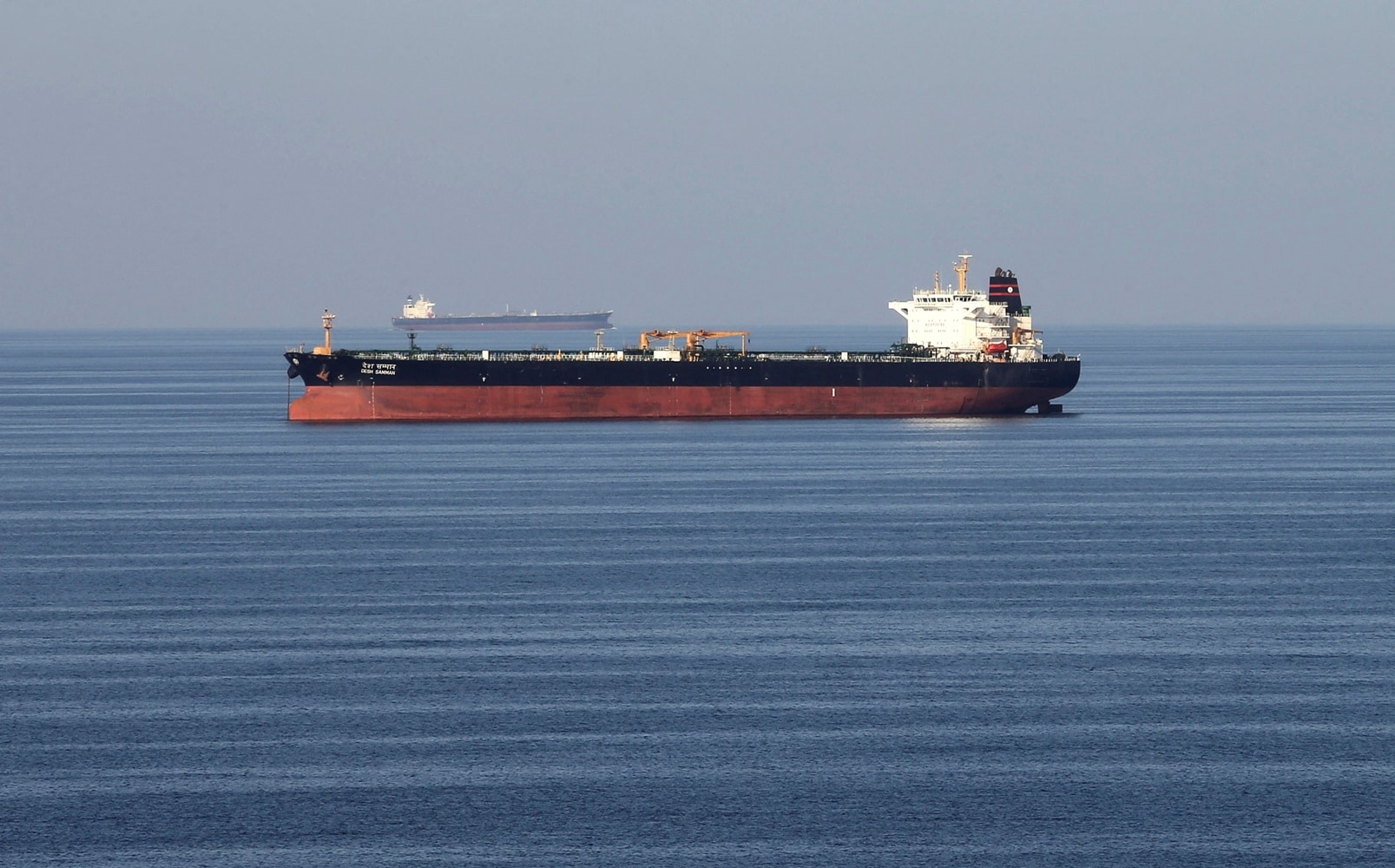
S&P Global: Freight rates stay high despite steady oil and LNG flows via Hormuz
Published on 30/06/2025 04:18 PM
S&P Global: Freight rates stay high despite steady oil and LNG flows via HormuzDespite multiple shocks to global trade in recent years—from COVID-19 to the Panama Canal drought and the Russia-Ukraine war—Rahul Kapoor of S&P Global Commodity Insights highlighted the resilience of global supply chains.By Manisha Gupta June 30, 2025, 4:18:13 PM IST (Published)2 Min ReadGlobal oil and LNG shipments through the Strait of Hormuz have remained steady despite recent geopolitical tensions, according to Rahul Kapoor of S&P Global Commodity Insights. He noted that while there was a brief pause in traffic during the height of recent conflict, tanker and ship transits have continued without major disruption.
"Freight rates are still up," Kapoor said. "Particularly for the tanker markets, they effectively doubled in that short period of time." He explained that while oil prices have corrected, freight costs remain high due to lingering concerns and elevated insurance premiums.
Also Read | ANZ economist views oil price jump as a market reset, not a shock
Before the conflict, freight rates for Very Large Crude Carriers (VLCCs) were in the range of $20,000–25,000 per day. At the peak of tensions, they jumped to $70,000–80,000, with some ships even fixed close to $100,000 per day. While current rates have come down to $50,000–60,000, they have yet to return to pre-conflict levels.
Kapoor added that while calm has returned to some areas, broader shipping routes like the Red Sea and Suez Canal have not fully recovered. "Geopolitics is still very central to what's happening with global trade and global shipping at the moment," he said. Although attacks on merchant ships have reduced, major shipping companies have not fully resumed pre-conflict operations through these routes.
Also Read | HSBC’s Williem Sels sees no US recession risk, stays positive on India, China, Singapore
Despite multiple shocks to global trade in recent years—from COVID-19 to the Panama Canal drought and the Russia-Ukraine war—Kapoor highlighted the resilience of global supply chains. "Shipping has been supplying goods to all of us," he said.
Looking ahead, S&P Global expects global trade growth to remain flat or slightly negative in 2025, even as global GDP continues to grow. “Global trade to GDP continues to compress,” Kapoor said, attributing the trend to rising protectionism and persistent geopolitical uncertainty.
For the full interview, watch the accompanying videoContinue ReadingCheck out our in-depth Market Coverage, Business News & get real-time Stock Market Updates on CNBC-TV18. Also, Watch our channels CNBC-TV18, CNBC Awaaz and CNBC Bajar Live on-the-go!TagsFreight ratesGDPglobal tradeRed SeaStrait of HormuzSuez Canal