‘Total failure’: Supreme Court slams Delhi pollution measures, says ad-hoc steps won’t work
Published on 17/12/2025 04:42 PM
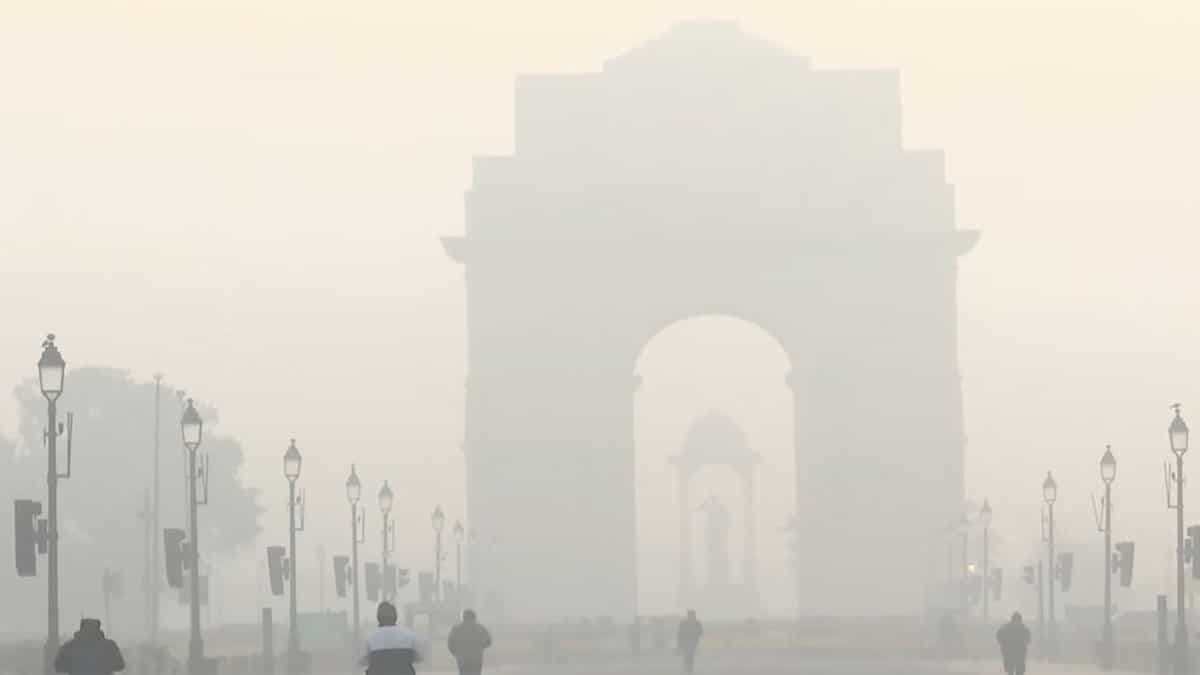
The Supreme Court has delivered a blunt assessment of the fight against air pollution in Delhi–NCR, saying the steps taken so far by authorities have failed to make any real difference. Hearing a clutch of petitions on rising pollution levels, the court said the crisis has turned into a recurring annual problem and cannot be tackled through last-minute or short-term measures alone. The judges stressed that unless agencies move beyond emergency responses and work on a sustained, phased plan, the situation will continue to spiral every winter. A Bench led by Chief Justice of India Surya Kant made it clear that shutting schools, switching to hybrid classes or restricting activities for a few days may offer temporary relief, but do little to address the root causes of pollution choking the region year after year.
The Supreme Court did not mince words while reviewing the steps taken by various authorities. According to the Bench, meaningful improvement will come only when long-term strategies are planned and executed seriously, rather than relying on reactive measures once air quality worsens.
The court declined to interfere with the Delhi government’s decision to shut schools or allow them to operate in a hybrid mode during severe pollution episodes. However, it described these measures as interim steps meant mainly to protect children and the elderly.
The judges noted that such decisions are policy choices taken to reduce immediate health risks and cannot be mistaken for a solution to the pollution crisis. In fact, the court remarked that these closures are comparable to extended winter vacations, as schools usually remain shut for several days during this period anyway.
Chief Justice Kant underlined that air pollution in Delhi–NCR has become a predictable, yearly occurrence. This, the court said, is precisely why authorities must stop treating it as a seasonal emergency and instead prepare a durable plan that is implemented in stages.
The Bench urged the Commission for Air Quality Management (CAQM) to rework its long-term strategy and ensure that it delivers measurable results on the ground.
The Supreme Court asked CAQM to revisit and strengthen its long-term measures, specifically focusing on multiple areas contributing to pollution. These include urban mobility and traffic management, cleaner industrial practices and energy use, and more effective solutions to stubble burning by incentivising farmers.
In another significant development, the Supreme Court ended protection for end-of-life vehicles in Delhi–NCR that do not meet emission standards. Acting on CAQM’s recommendation, the court lifted the earlier safeguard that had prevented coercive action against older, high-emission vehicles. The move is expected to tighten enforcement against some of the most polluting vehicles on city roads, even as the court presses authorities to do much more on the policy and planning front.
Taken together, the court’s observations send a strong message: short-term bans and closures cannot substitute for consistent policy action. Without a coordinated, long-term roadmap covering transport, industry, agriculture and public behaviour, Delhi–NCR’s pollution problem will remain unresolved.