Union Budget 2026: Government doubles down on infrastructure as capex hits record Rs12.2 lakh crore
Published on 01/02/2026 12:27 PM
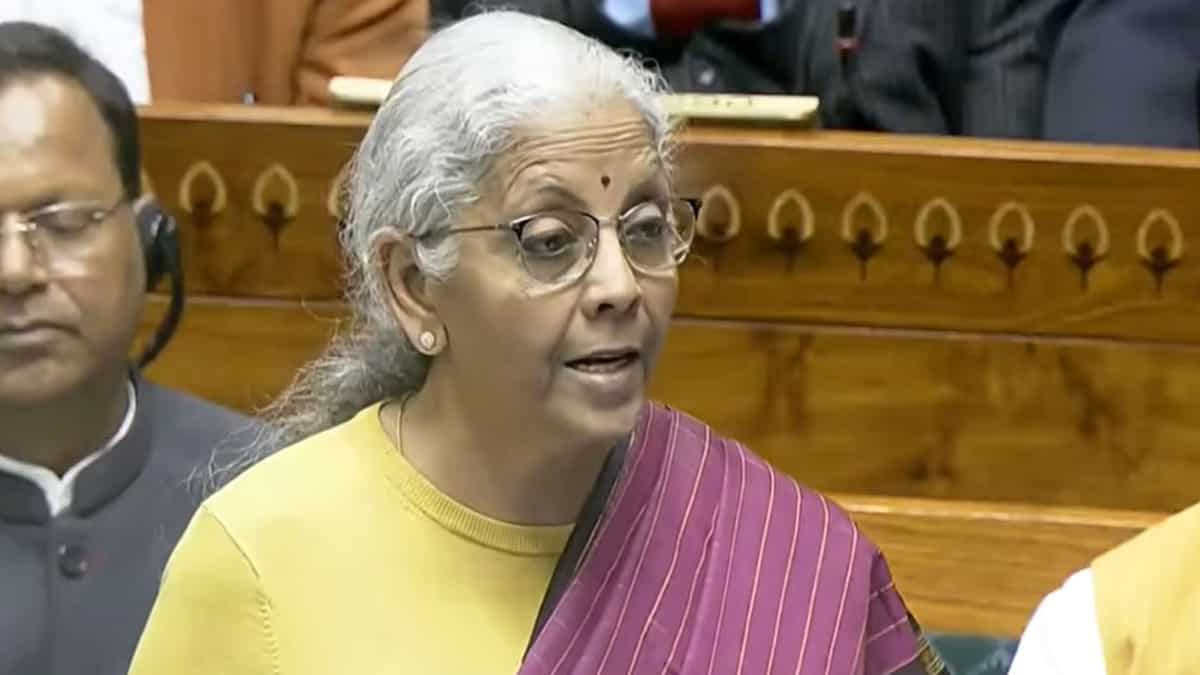
The Union Budget for 2026-27 sees its infrastructure development allocation receive an important increase through this announcement by Union Finance Minister Nirmala Sitharaman.
The upcoming financial year will see capital expenditure rise by approximately 9 percent which refers to expenses for constructing permanent assets like roads and railways and ports and airports and urban infrastructure.
The government has increased its allocation to Rs 12.2 lakh crore which shows its ongoing commitment to economic progress through infrastructure development.
Sitharaman announced higher capital spending through her Budget presentation in Parliament to create more job opportunities while sustaining economic growth.
The government has used infrastructure investment as its main strategy during the past ten years and the latest Budget plans to continue this strategy.
The Finance Minister showed how public capital expenditure has experienced significant growth throughout multiple years. Government capital expenditure reached approximately Rs 2 lakh crore during the 2014-15 fiscal year.
The amount has grown continuously since then until it reached more than Rs 11 lakh crore during the past few years. The current financial year received an allocation of approximately Rs 11.21 lakh crore but the government now wants to increase this amount to ₹12.2 lakh crore for the upcoming fiscal year of 2026-27.
Sitharaman explains that this increase demonstrates the government's dedication to developing vital infrastructure throughout India.
The speaker addressed how contemporary financial instruments function as key tools which enable infrastructure development.
Private and institutional investors have been drawn to major projects through the use of Infrastructure Investment Trusts (InvITs) and Real Estate Investment Trusts (REITs).
The National Investment and Infrastructure Fund (NIIF) and National Bank for Financing Infrastructure and Development (NaBFID) provide essential resources which sustain infrastructure development for extended periods.
The Budget placed particular focus on urban infrastructure development. The Finance Minister announced that the government will invest in cities which have populations exceeding 500000 and include many tier-2 and tier-3 cities.
The two cities have grown at a rapid pace throughout the last few years and now serve as emerging economic hubs. The communities will experience balanced growth through better roads and transport systems along with improved housing and public service facilities.
Sitharaman introduced a new initiative which aims to enhance private sector involvement in infrastructure development by decreasing risks which private developers encounter.
She explained that construction challenges together with project issues which arise during initial stages drive away private sector funding.
The government intends to create an Infrastructure Risk Guarantee Fund which will provide financial backing. The fund will provide lenders with credit guarantees which will decrease risks and simplify project financing processes.
The government demonstrates its commitment to infrastructure-driven economic growth through three initiatives which include increased capital spending, urban development projects, and support measures for private sector entities according to the Finance Minister.
The economy will benefit from these initiatives through improved connectivity, job creation, and sustained economic growth over the forthcoming years.