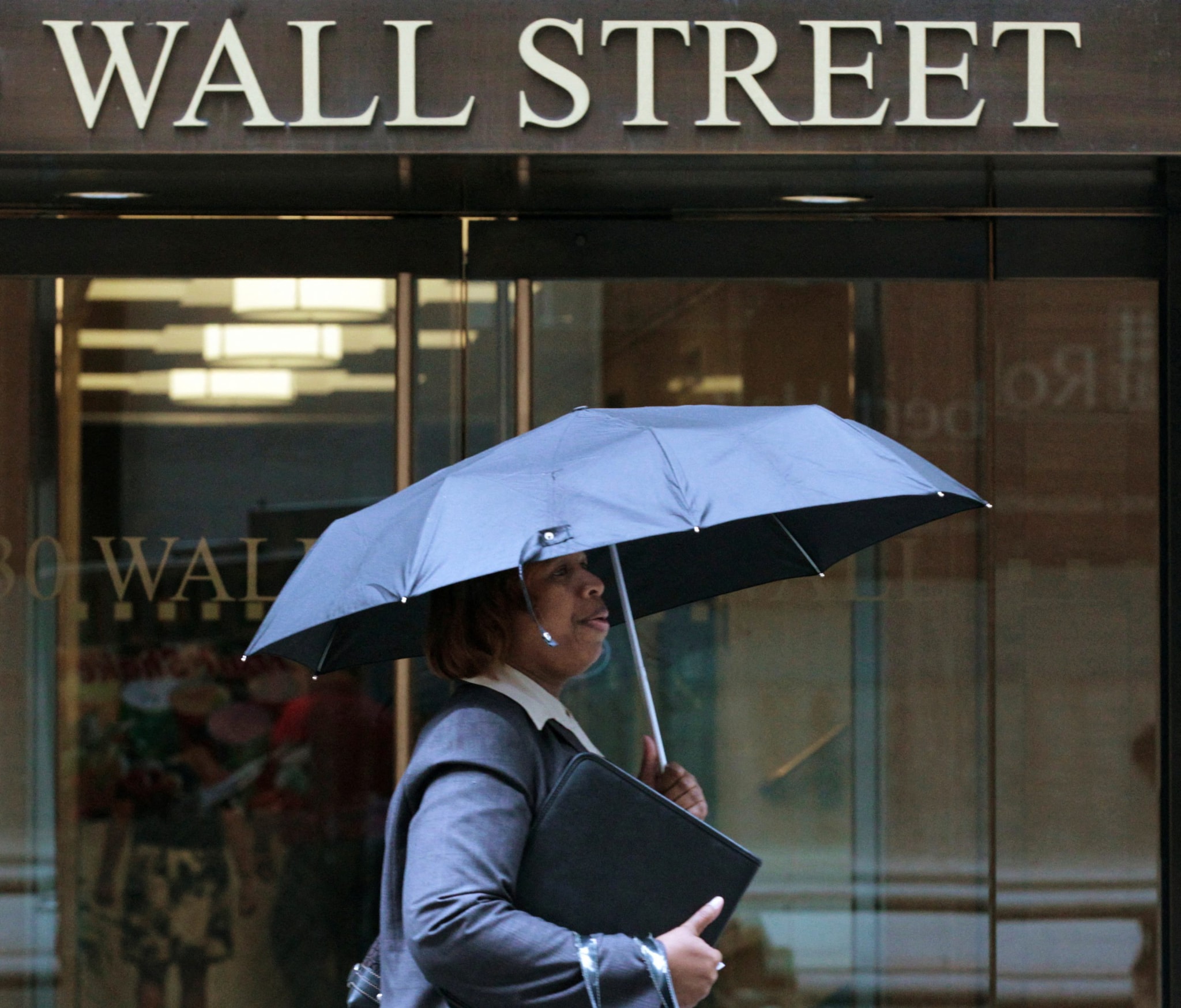
US Stock Market LIVE Updates: Dow Jones ticks higher while Nasdaq drags; S&P 500 steady
Published on 24/03/2026 10:36 PM
Saudi Arabia and the United Arab Emirates are moving closer to potentially joining the conflict against Iran, according to multiple media reports, signalling a possible escalation in regional tensions.
A report by The Wall Street Journal said Mohammed bin Salman is nearing a decision on whether Saudi Arabia will participate in military action. Meanwhile, the United Arab Emirates has reportedly begun tightening restrictions on Iranian-linked assets, including shutting down certain institutions in Dubai.
Separately, The New York Times reported that the Saudi Crown Prince, in conversations with Donald Trump, backed continued US efforts to weaken Iran’s leadership, describing the situation as a potential opportunity to reshape the Middle East.
The developments indicate a shift in stance among key US allies in the Gulf, raising the prospect of a broader regional alignment against Iran.On the flip side, market breadth remained weak, with 20 stocks in the index hitting new 52-week lows.Notable laggards included Domino’s Pizza, Tractor Supply, and Kraft Heinz, alongside Abbott Laboratories and Adobe, which fell to levels last seen between 2019 and 2024.Other stocks under pressure included Fair Isaac, Gen Digital, and CoStar Group.The divergence underscores a narrow market rally, with gains concentrated in energy-linked names while broader sectors continue to face selling pressure.CNBCSix stocks in the S&P 500 traded at fresh all-time highs on Tuesday, highlighting continued strength in select pockets of the market, particularly energy.Among the names hitting record levels were Chevron, trading at highs dating back to its 2000 merger with Texaco, and Exxon Mobil, which touched levels not seen since its listing on the NYSE in 1920.Other stocks at record highs included EQT Corporation, Marathon Petroleum, Phillips 66, and Corteva, each trading at peak levels since their respective listings or corporate milestones.
Shares of Circle plunged as much as 19% on Tuesday, marking their steepest decline on record and a sharp reversal from the stock’s recent rally.
The trigger for the sell-off was not immediately clear, but overnight reports flagged fresh developments around the proposed Clarity Act, which could restrict yield offerings on stablecoins.
According to a report by Crypto America, citing an internal stakeholder, the proposal may bar platforms from offering yield “directly or indirectly” for holding a stablecoin, or in ways that resemble traditional bank deposits. Bank representatives were expected to review the draft on Tuesday.
The Clarity Act seeks to define regulatory oversight across different segments of the crypto market, but has faced hurdles in Congress. A major sticking point remains whether crypto platforms should be allowed to offer interest-like returns on stablecoin balances — a feature seen as competing with traditional banking products.
The potential curbs have raised concerns for Circle, which derives a significant portion of its revenue from interest earned on reserves backing its USDC stablecoin.
The drop also comes after a strong run-up in the stock. Circle shares had surged from around $60 in late February to about $130 last week — a rally of roughly 110% — supported in part by expectations that the Federal Reserve would keep interest rates steady.Mohammad Bagher Ghalibaf, Speaker of Iran’s Parliament, on Tuesday (March 24) flagged concerns over speculations in global oil markets, suggesting that movements in futures trading may not reflect underlying actual supply conditions.In a post on X, he pointed to what he described as attempts to influence the “paper oil” market, even as crude prices remain elevated amid geopolitical tensions.“We are aware of what is happening in the paper oil market, including the firms hired to influence oil futures. We also see the broader jawboning campaign.But let’s see if they can turn that into ‘actual fuel’ at the pump —or maybe even print gas molecules!”
Software stocks came under pressure on Tuesday after fresh developments in artificial intelligence reignited concerns around disruption to SaaS business models.
AI startup Anthropic unveiled new capabilities for its Claude Cowork and Claude Code tools, enabling the AI to control computers and execute increasingly complex tasks — a move that unsettled investors.
The sell-off was broad-based, with the iShares Expanded Tech-Software Sector ETF falling 3.5% in late morning trade. Losses were led by Palantir Technologies, down 5%, and Salesforce, which slipped 4%.
Other major software names, including Oracle, Palo Alto Networks, Snowflake, Shopify, Intuit, and ServiceNow also traded lower.
Oil prices could remain a key market driver in the near term, with Citigroup warning that crude may continue to climb despite a temporary easing in geopolitical rhetoric.
Prices have surged 44% over the past month, even as Donald Trump dialled back threats of a potential strike on Iran’s power infrastructure earlier this week.
Strategists at Citi said markets may need to get comfortable with oil sustaining above $100 per barrel. The bank expects Brent crude to rally to at least $120 per barrel over the next month, while reiterating a bull-case scenario of $150.
Yahoo Finance
JFrog shares could be poised for a rebound after a weak start to 2026, with UBS turning bullish on the stock amid what it calls an “overdone” reaction to AI disruption risks.
The brokerage upgraded JFrog to “buy” from “neutral” and maintained a price target of $60, implying an upside of about 37% from Monday’s close.
The stock has fallen 31% since January, weighed down by concerns that artificial intelligence could disrupt traditional software business models. However, UBS analyst Radi Sultan said the risk-reward now looks “attractive” as much of the AI-related uncertainty has already been priced in.
“While we think bending the AI disruption narrative will take time, JFrog looks set to benefit from multiple AI tailwinds in the near term, and we think upward estimate revisions will be key to flipping the narrative,” Sultan said.
UBS believes improving sentiment around AI adoption and earnings upgrades could help drive a turnaround in the stock going forward.
US natural gas futures fluctuated between slight gains and losses as traders factored another bearish weather forecast against rising oil prices, which have pulled up the US gas contract since the war in Iran began.
Contracts for near-term US gas delivery have gone up and down alongside global oil and gas prices on financial flows rushing in and out of baskets of energy products, despite the war having almost no impact on domestic supply and demand for gas in the short run.
US equities fell on Tuesday (March 24) following a strong rally in the previous session as investors reacted to conflicting signals on the US-Iran conflict. The S&P 500 and Nasdaq Composite each declined 0.5%, while the Dow Jones Industrial Average dropped 340 points, or 0.7%.
The prior session saw major indexes rise more than 1% after President Donald Trump said in a Truth Social post that the US and Iran have held “very good and productive conversations regarding a complete and total resolution of our hostilities in the Middle East.” Iranian state media, however, reported that there were no direct talks between the two countries.
A new free-trade agreement between the UK and Switzerland must overcome issues such as data regulation, intellectual property and access to service-sector companies, the Swiss government said while stressing that talks are “well advanced.”
Almost three years into the talks, negotiators have made “good progress” on services, investment and digital trade, Bern’s State Secretariat for Economic Affairs told Bloomberg. The 10th round of negotiations took place this month in Geneva, according to an emailed statement.
Iran has stopped natural gas exports to Turkey following an Israeli strike on the giant South Pars gas field last week, according to people familiar with the matter.
Ankara is still importing gas from Russia and Azerbaijan, its main suppliers, and can use gas held in storage, the people said, asking not to be named because the information is private. The Turkish Energy Ministry declined to comment.
New York City’s transit agency is set to approve a $1 billion excavation contract as part of its Second Avenue subway expansion — but the deal might be stalled if federal funds for the project are not released.
While the board of the Metropolitan Transportation Authority is expected to authorise the agreement on Wednesday, the transit agency won’t be able to enter the contract until it receives about $60 million of suspended funds, according to MTA officials.
The operator of the city’s subways, buses and commuter rails last week sued the Trump administration for the money, which has been on hold since October as the US Department of Transportation reviews the transit agency’s contracting process.
Russia is delaying a decision aimed at reducing its dependence on energy income as oil prices surge on the back of the war in the Middle East.
An adjustment to the country’s budget rule — which sets the oil-price threshold for tapping reserves in the National Wellbeing Fund — has been postponed, along with sales of the fund’s assets to finance the deficit, according to two people familiar with the discussions, who asked not to be identified because the talks aren’t public.
The government may return to the decision as early as June, one of the people said.
Russia is delaying a decision aimed at reducing its dependence on energy income as oil prices surge on the back of the war in the Middle East.
An adjustment to the country’s budget rule — which sets the oil-price threshold for tapping reserves in the National Wellbeing Fund — has been postponed, along with sales of the fund’s assets to finance the deficit, according to two people familiar with the discussions, who asked not to be identified because the talks aren’t public.
The government may return to the decision as early as June, one of the people said.
Kleiner Perkins, the half-century-old venture capital institution, is raising $3.5 billion to make bets on artificial intelligence startups reshaping industries including software, health care, transportation and autonomy.
The firm — best known for its early industry-defining investments in companies like Google and Amazon.com Inc. — will dedicate $1 billion of the new cash to its 22nd early-stage fund, targeted at finding promising AI upstarts. The other $2.5 billion will be focused on investing in growth-stage companies, larger startups that include increasingly cash-hungry artificial intelligence players.
Oil prices were higher on Tuesday, paring losses after falling sharply in the previous session, as energy market participants assessed developments related to the Iran war.
International benchmark Brent crude futures with May delivery were traded up more than 1% at around $101 per barrel, while US West Texas Intermediate futures for May traded more than 2% higher at roughly $90 per barrel.
Stocks fluctuated and oil climbed as traders grappled with a range of possible outcomes for the war in the Middle East, with fighting continuing as US President Donald Trump pushed for talks.
S&P 500 contracts were 0.1% lower after swinging between gains and losses. Treasuries dipped, with the two-year yield climbing two basis points to 3.88%. WTI crude rose above $90 a barrel, paring Monday’s steep decline. The dollar gained 0.2% while gold edged higher.
JPMorgan Chase & Co. says ageing, run-down grid infrastructure now risks undermining security goals, with everything from extreme weather to cyberattacks posing a growing threat.
The Wall Street bank, which laid out its analysis in a report seen by Bloomberg, describes the current decades-old grid network as a “national security risk.” Against that backdrop, investments that make grid infrastructure more resilient are becoming “increasingly attractive,” according to JPMorgan.
Watch this space for all the live updates on the US Stock Market.NewsLive TVMarketPopular CategoriesCalculatorsTrending NowLet's Connect with CNBCTV 18Network 18 Group :©TV18 Broadcast Limited. All rights reserved.