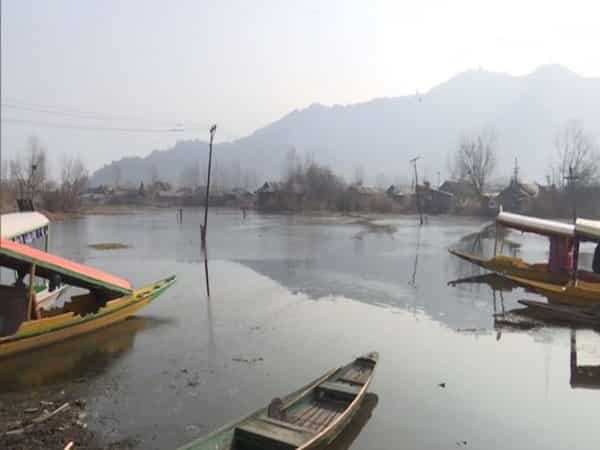
Weather Update: Record low temperature in Srinagar amid Chillai Kalan in Kashmir
Published on 07/01/2026 04:10 PM
An intense cold wave continued across Jammu and Kashmir on Tuesday, pushing temperatures well below freezing in many parts of the Valley. Srinagar recorded a minimum temperature of minus 4 degrees Celsius, making it one of the coldest nights of the season so far. Other areas also faced biting cold as winter showed no signs of easing.
Srinagar city is currently experiencing a temperature of 4.4 degrees Celsius. Gulmarg is still the region's coldest location as the temperature is still at minus 7.2 degrees Celsius. And Jammu region is experiencing a little relief from the cold, since the temperature in Jammu city is 14 degrees Celsius which is comparatively warmer. Also, Katra is observing milder weather.
According to the Meteorological Department, no major Western Disturbance is expected to affect the region till January 20. This means that the chances of widespread snowfall remain low for at least the next two weeks, disappointing residents and raising concerns over water availability in the coming months.
Several popular tourist and hill destinations in the Valley recorded extremely low temperatures. Gulmarg shivered at minus 8.6 degrees Celsius, while Pahalgam recorded minus 6.8 degrees Celsius at night. These freezing conditions made nights especially harsh for residents.
In the Jammu region, temperatures were comparatively higher but still cold. Jammu city recorded a minimum of 5.2 degrees Celsius, followed by Katra at 4.8 degrees Celsius. Hill towns such as Batote (1.7 degrees Celsius), Banihal (1.5 degrees Celsius), and Bhaderwah (minus 2.2 degrees Celsius) also experienced severe cold.
Due to the freezing temperatures, water taps froze in Srinagar and other towns early in the morning. The weak winter sun failed to provide much warmth, leaving people struggling to go about their daily routines.
The Valley is presently under Chillai Kalan the most severe winter period of 40 days from December 21 to January 30. This time is recognized with very heavy snowfall and extended cold periods.
According to experts, the snow that falls in the mountains during Chillai Kalan is of utmost importance, as it aids in filling up the water reservoirs. However, with little snow expected till January 20, the plains may miss the first major snowfall of the season. Snowfall after January 30 may not be enough to sustain rivers and lakes during the summer months, IANS reported.
To protect themselves from the freezing cold, people across Kashmir are wearing the traditional ‘Pheran’, a loose woollen garment worn over clothes. Many also wear several layers of woollen clothing, caps, and mufflers to stay warm.
While younger people try to fight the cold through physical activity, doctors have warned against heavy exercise during extreme cold. Sudden exposure to cold after physical activity can be dangerous and even fatal. Elderly people have been advised to stay indoors till at least 10 a.m., as mornings are the coldest during winter.
Residents of the region are expecting some heavy snowfall to bring some comfort and protect some water resources for the future.