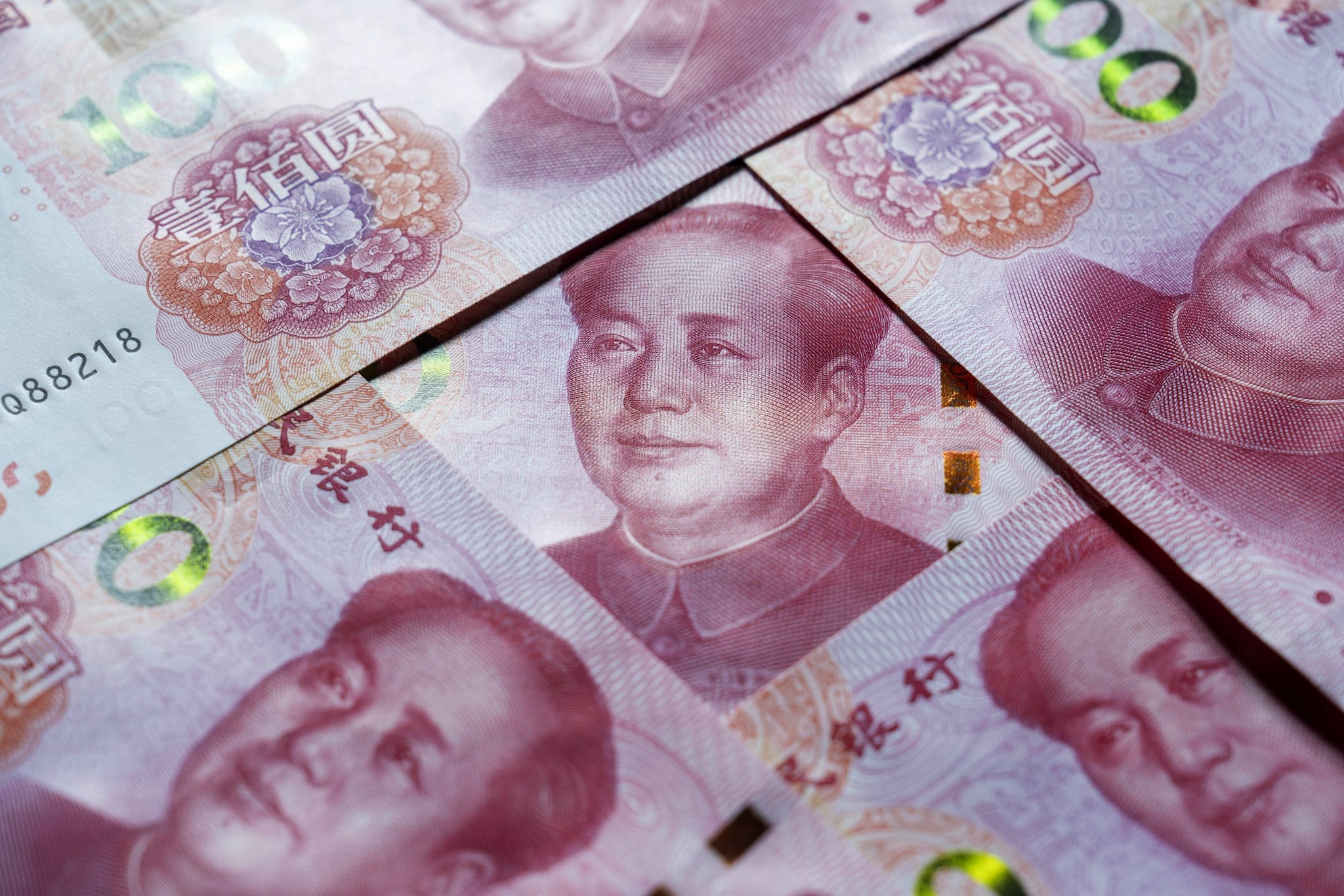
China’s 30-year yields set for highest close since 2024 on oil
Published on 16/03/2026 10:58 AM
China’s 30-year yields set for highest close since 2024 on oilYields on China’s 30-year bonds are nearing the highest close since September 2024 due to rising oil prices from the Iran war. The 30-year bond yields rose to 2.4%.By Bloomberg March 16, 2026, 10:58:18 AM IST (Published)2 Min Read(Photo Credit : Bloomberg)Yields on China’s 30-year bonds were headed for the highest close since September 2024 as rising oil prices fuelled by the war in Iran stoked inflation concerns.
China’s 30-year bond yields rose three basis points to close to 2.4% while those on 10-year notes edged up one basis point to 1.83% on Monday. Futures on 30-year bonds fell to the lowest level since October 2024.
A steeper selloff in long-dated debt suggests that rising oil prices may finally counter China’s persistent deflationary pressures. Yields also climbed after industrial production and fixed-asset investment data pointed to an unexpected economic rebound at the start of the year.
“Elevated oil prices may add to expectations that China’s reflation efforts could ultimately bear fruit,” said Frances Cheung, head of foreign exchange and rates at Oversea-Chinese Banking Corp. “Domestically, this year’s bond supply remains high. We have a mild steepening bias on the Chinese government bond curve.”
Expectations for higher inflation and growth are curbing demand for sovereign debt as investors swap haven assets for riskier, higher-return securities. Despite waning appetite for safer assets, China has left its debt issuance plan for 2026 steady compared with last year.
Also Read: Gold near ₹1.57 lakh per 10 grams in India, silver slips nearly 2%: Why bullion is under pressure
The government is targeting to sell 1.3 trillion yuan ($188 billion) of ultra-long special sovereign bonds with the headline budget deficit unchanged at around 4% of gross domestic product for the year. Market participants say this supply-demand imbalance is hitting long-dated paper hardest.
“We think the rise in Chinese government bond yields is driven by inflation concerns over higher energy costs, as well as bond supply - especially given banks’ limited appetite for ultra-long bonds,” said Serena Zhou, an economist at Mizuho Securities in Hong Kong.
China’s consumer price growth accelerated to the quickest in over three years and factory deflation moderated in February. China, the world’s biggest crude oil importer, faces possible inflationary spillovers, though it’s created a cushion by stockpiling crude at onshore sites over the past year.Continue Reading