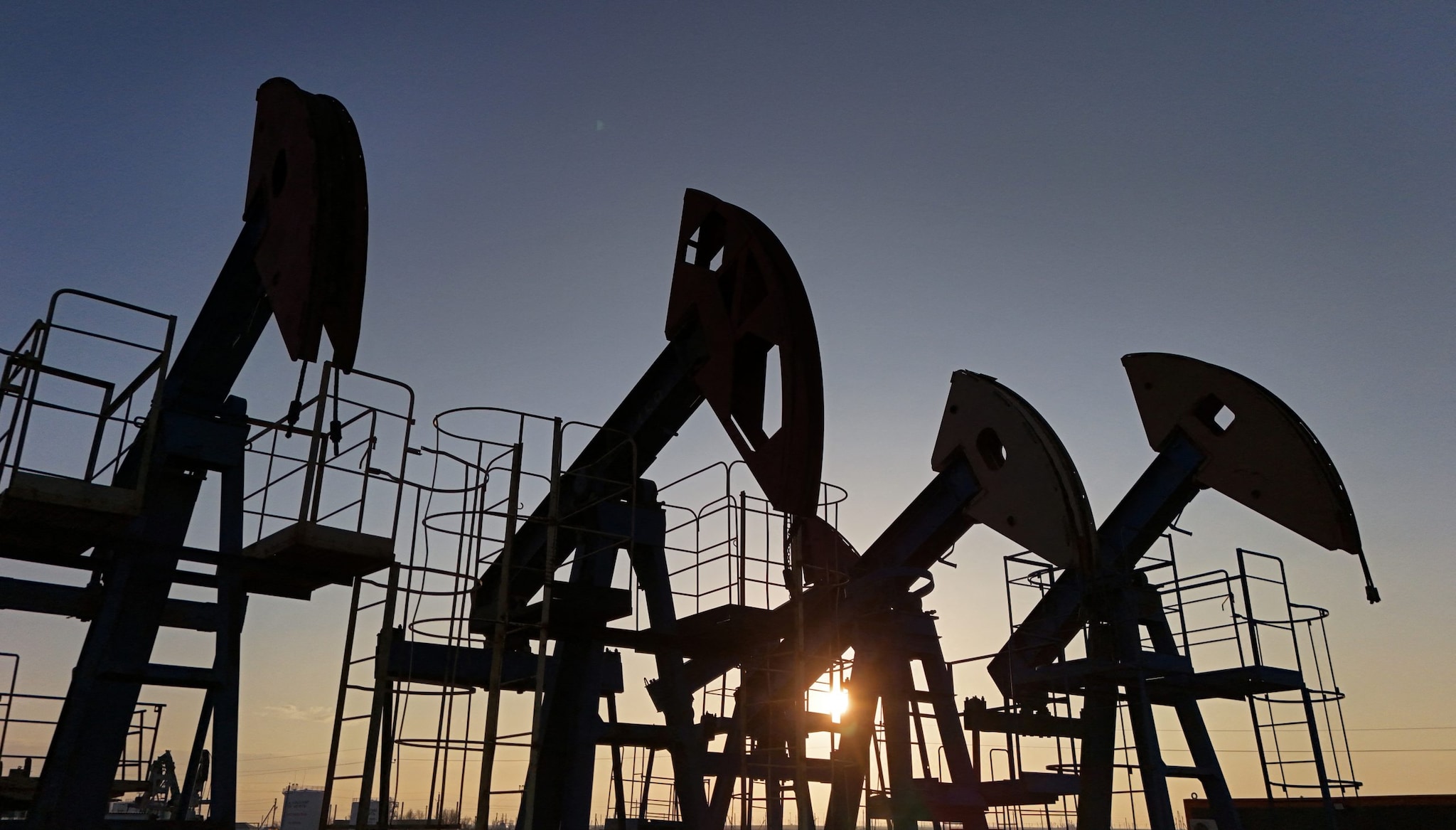
Iran-Israel war | No major oil supply shock yet, but energy infrastructure risks remain elevated: FGE Nexanteca
Published on 01/03/2026 10:10 PM
Iran-Israel war | No major oil supply shock yet, but energy infrastructure risks remain elevated: FGE NexantecaEscalating hostilities between Iran and Israel have injected fresh volatility into global energy markets, even as oil supplies remain largely uninterrupted for now. Analysts warn that prolonged conflict, especially involving the Strait of Hormuz or critical energy assets, could sharply push up crude prices and strain energy-importing economies such as India.By Manisha Gupta March 1, 2026, 10:10:59 PM IST (Published)3 Min ReadIran and Israel’s intensifying conflict has not yet triggered a major disruption to global oil supplies, but risks to energy infrastructure and key trade routes remain sharply elevated, according to FGE Nexanteca.
Speaking to CNBC-TV18 from Dubai, Iman Nasseri, Managing Director of Middle East Research at FGE Nexanteca, said markets were operating under growing stress as missiles fly across West Asia, even as physical oil flows have so far remained largely intact. “Sitting in Dubai and hearing missiles and interceptions has been quite stressful,” Nasseri said, adding that “the situation is far from resolved”.
His remarks come amid a dramatic escalation in the conflict following the killing of Iran’s Supreme Leader Ayatollah Ali Khamenei in US and Israeli air strikes, and Tehran’s subsequent vow of retaliation. Iran has launched fresh waves of missile and drone attacks targeting US military bases across the region, with explosions reported in Doha, Dubai, Abu Dhabi, Kuwait, Riyadh and Manama.
Nasseri warned that the worst-case scenario would involve a direct hit to energy assets or a sustained physical closure of the Strait. “The worst case would be escalation into energy infrastructure and a physical closure of the Strait of Hormuz,” he said. “So far, we haven’t seen major oil supply disruptions, but trade and air travel are already affected. There is a high chance this could last weeks, if not months.”
Oil markets have already priced in a significant geopolitical risk premium. Crude prices are hovering near seven-month highs, up nearly 20% since military tensions around Iran began to build. Nasseri said FGE Nexanteca expects crude to open around $80 a barrel, reflecting roughly a $10 risk premium linked to the conflict. “Those risks exist, but they are not in our base case,” he said on the likelihood of oil infrastructure being targeted.
According to Nasseri, global inventories could provide a buffer in the near term. “Inventories from OECD countries and China could offset disruptions,” he said, adding that FGE Nexanteca’s forecast remains in the $75–$80 per barrel range for most of March. However, he cautioned that prices could move decisively higher if physical oil facilities or export terminals come under attack.
Also Read | Iran war: Crude unlikely to cross $100 despite Hormuz disruption, says X-Analysts’ Mukesh Sahdev
The fragile market backdrop has been further complicated by supply-side decisions, with OPEC+ announcing a voluntary production increase of 200,000 barrels per day at its meeting on Sunday. Even so, traders remain focused on shipping disruptions, rising freight rates and the risk that prolonged conflict could feed into broader inflationary pressures.
For India, the stakes are particularly high. The country imports about 80% of its crude oil needs, with nearly half of those supplies transiting through the Strait of Hormuz. While India holds strategic and commercial oil reserves, sustained high crude prices could strain government finances and put renewed pressure on the rupee, factors that markets will be watching closely as the West Asia crisis continues to unfold.
Watch accompanying video for entire conversation.Continue ReadingTagscrude oilIranIsrael