Live brain cell study offers fresh hope in fight against Alzheimer’s, here’s what you need to know
Published on 01/05/2025 11:56 AM
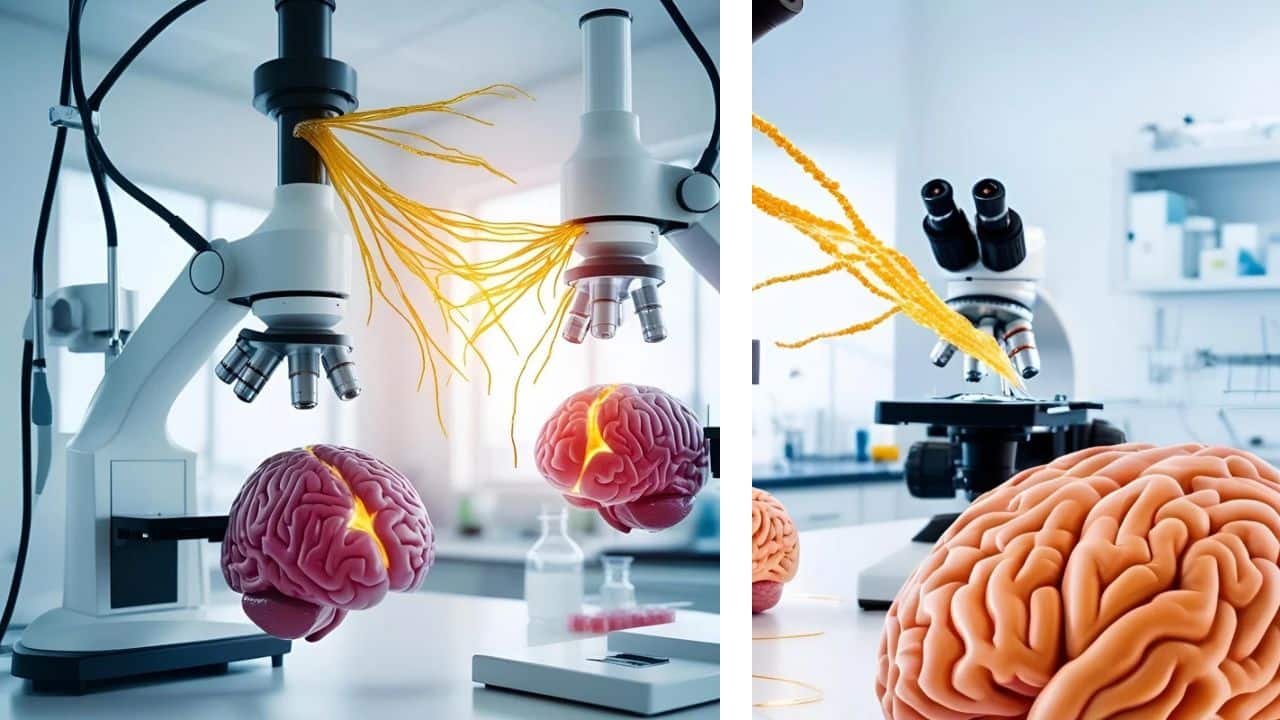
In a powerful new study, scientists have, for the first time, watched how a toxic protein linked to Alzheimer’s disease damages real, living human brain cells. By using brain tissue donated during routine surgeries, researchers at the University of Edinburgh have discovered that even tiny changes in the levels of a protein called amyloid beta can mess with how brain cells connect and communicate. This innovative approach could help speed up the search for drugs that really work.
Looking into real human brain:
For years, most Alzheimer’s research has relied on lab animals like mice. While useful, they don’t quite show what’s really happening in the human brain. That’s why this new method, using tiny slices of healthy human brain tissue, feels like a positive shift. These samples, donated by patients undergoing brain surgery, are kept alive in lab dishes for weeks.
Also read | All about of Alzheimer's disease: Stages, risk factors, and management strategies
Dr Claire Durrant and her team exposed these living brain cells to amyloid beta and found that, when the protein was in its toxic form, it clung to the connections between cells and damaged them. Even more worrying, the brain tissue didn’t even try to repair itself afterward.
According to the study, even small shifts in amyloid beta levels, up or down, were enough to throw off the brain’s natural balance. The researchers say this shows the brain needs a perfect and just right amount of the protein to work properly.
Moreover, the study also showed that tissue from the brain’s temporal lobe, a region hit early by Alzheimer’s, was releasing more of another harmful protein called tau. That may help explain why this area of the brain is especially vulnerable early on.
Also read | Dementia and Alzheimer’s disease: Loneliness, low social contact leads to stress, Alzheimer's disease
This work was made possible through support from Race Against Dementia, a charity started by racing legend Sir Jackie Stewart, and a generous donation from the James Dyson Foundation. Stewart said this breakthrough proves what can happen when science, speed, and collaboration come together. “We’re getting closer to a world without dementia,” he said.
5 reasons this study matters for Alzheimer’s research:
Discover the latest Business News, Budget 2025 News, Sensex, and Nifty updates. Obtain Personal Finance insights, tax queries, and expert opinions on Moneycontrol or download the Moneycontrol App to stay updated!
${res.must_watch_article[0].headline}
Stock Market Holiday Jammu Kashmir News Live Waves Summit 2025 Live Heatwave in India Q4 Results 2025 Live Hit 3 Review JKBOSE 10th Result 2025 Kolkata News Retro Movie Review IPL Points Table 2025
Business Markets Stocks India News City News Economy Mutual Funds Personal Finance IPO News Startups
Home Currencies Commodities Pre-Market IPO Global Market Bonds
Home Loans up to 50 Lakhs Credit Cards Lifetime Free Finance TrackerNew Fixed Deposits Fixed Deposit Comparison Fixed Income
Home MC 30 Top Ranked Funds ETFs Mutual Fund Screener
Income Tax Calculator EMI Calculator Retirement Planning Gratuity Calculator
Stock Markets
News18 Firstpost CNBC TV18 News18 Hindi Cricketnext Overdrive Topper Learning
About Us Contact Us Advisory Alert Advertise with Us SupportDisclaimer Privacy Policy Cookie Policy Terms & Conditions Financial Terms (Glossary) Sitemap Investors
You are already a Moneycontrol Pro user.